

Crawl Space Encapsulation Cost in Vernon, CA
Transparent Crawl Space Encapsulation Cost Pricing for Vernon, CA Homeowners — Free Estimates
Get accurate crawl space encapsulation costs in Vernon, CA. Clear Path Insulation offers free estimates for Vernon homes. Call (323) 416-2078 today.
Crawl space encapsulation is the process of sealing your home’s crawl space with heavy-duty vapor barriers, insulation, and moisture control systems to prevent water intrusion, mold growth, and energy loss. In Vernon, CA — a dense industrial city nestled in the Los Angeles Basin — homes face unique environmental pressures including coastal humidity, seasonal ground moisture fluctuations, and aging construction that makes encapsulation not just beneficial but essential.
At Clear Path Insulation, we specialize in comprehensive crawl space encapsulation services tailored to the specific soil conditions, building ages, and climate patterns found in Vernon and its surrounding communities. Whether you own a mid-century residential property on the outskirts of Vernon’s industrial core or manage a multi-family structure near the Commerce border, our team delivers precision encapsulation solutions that protect your investment, improve air quality, and reduce monthly energy costs.
Call us today at (323) 416-2078 to schedule a free crawl space assessment.
Understanding Crawl Space Encapsulation
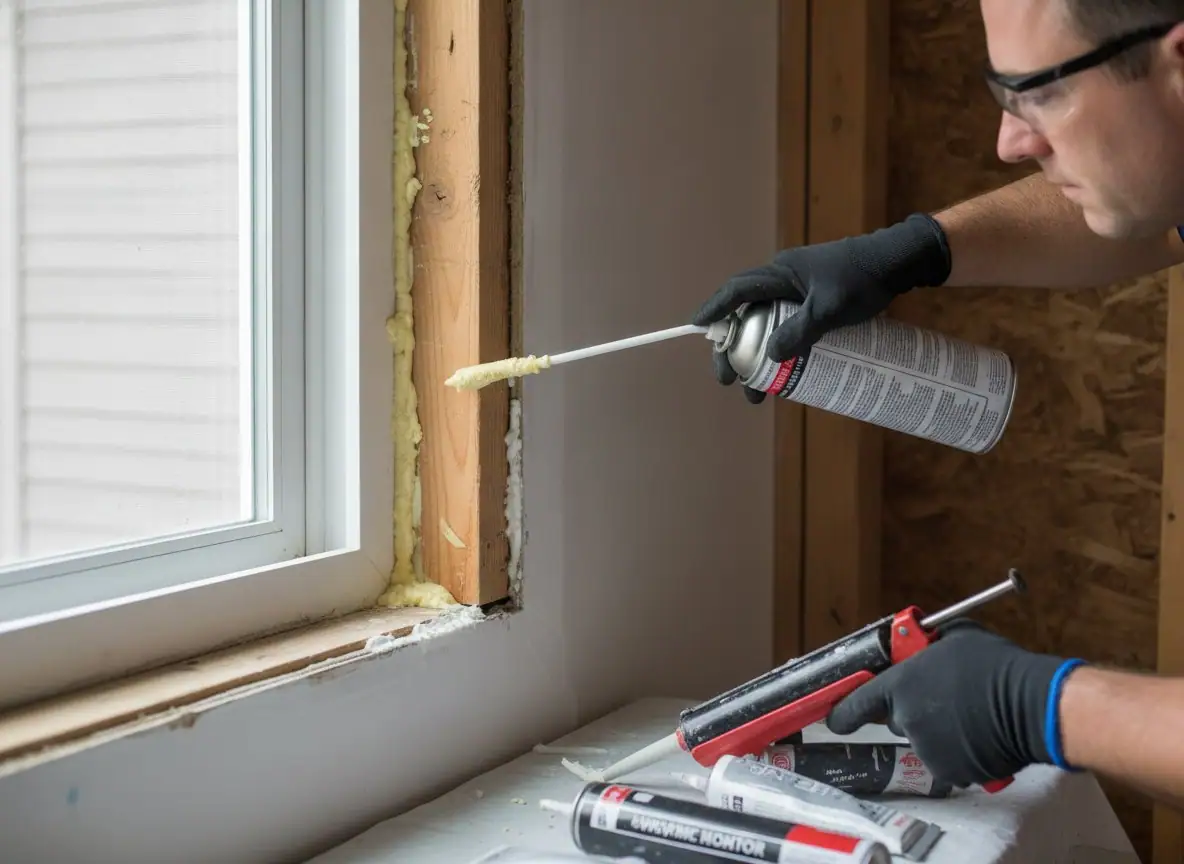
Crawl space encapsulation refers to the comprehensive sealing of a home’s crawl space using polyethylene vapor barriers (typically 10 to 20 mils thick), rigid foam board insulation, sealed vents, dehumidifiers, and drainage systems. The goal is to transform an open, vented crawl space into a fully conditioned or semi-conditioned area that resists moisture, pests, mold, and structural deterioration.
Historically, builders constructed homes with vented crawl spaces under the assumption that outdoor air would naturally dry out any accumulated moisture. This approach made sense in dry inland climates, but it has proven problematic in Southern California’s coastal basin communities like Vernon, where relative humidity regularly climbs above 70% during winter months and marine layer events. Modern building science now recognizes that sealed, encapsulated crawl spaces outperform vented ones in nearly every measurable metric — from structural wood moisture content to indoor air quality particulate readings.
Read moreShow less
Vernon’s residential building stock is predominantly composed of pre-1970s construction — bungalows, small craftsman homes, and duplex structures originally built to serve the city’s industrial workforce. Many of these homes feature shallow crawl spaces of 18 to 36 inches, often with original fiberglass batt insulation that has long since degraded, sagged, or been colonized by rodents. Concrete block foundations common in this era are especially susceptible to moisture wicking from Vernon’s clay-heavy soil, making encapsulation both a health and structural necessity.
Encapsulation is distinct from simple vapor barrier installation. A full encapsulation system addresses all six sides of the crawl space — the ground, the walls, and where applicable, the rim joists — and integrates moisture management technology to maintain relative humidity below 55% year-round. Learn more about our crawl space insulation services to understand how insulation and encapsulation work together for maximum protection.
This service is increasingly prevalent in Vernon as homeowners discover moisture-related damage during refinancing inspections, HVAC upgrades, and real estate transactions that now routinely include detailed crawl space evaluations.
Why Crawl Space Encapsulation Is Needed in Vernon, CA
Clay-Heavy Expansive Soils
The dominant soil type throughout Vernon and the broader Southeast Los Angeles subregion is classified as Montebello-type clay loam — a high-plasticity soil that expands significantly when wet and contracts during dry cycles. The Los Angeles County Public Works department has documented soil expansion rates in this corridor of up to 4% volumetric change between wet and dry seasons. This constant movement stresses foundation walls, creates gaps in crawl space perimeters, and drives ground moisture upward into unprotected crawl spaces at measurable rates. Homes on Soto Street and the residential pockets near 26th Street commonly exhibit foundation cracking patterns consistent with repeated soil expansion cycles.
Los Angeles Basin Marine Layer and Humidity
The National Weather Service Los Angeles office records average relative humidity levels in the Vernon area between 65% and 82% during December through February — the peak marine layer season. During the extended La Niña weather pattern of 2021–2022, Vernon recorded above-average precipitation events totaling over 11 inches between October and March, significantly above the historical 15-inch annual average. These moisture surges penetrate unsealed crawl spaces within 48 to 72 hours of a significant rain event, saturating fiberglass insulation and elevating wood moisture content to ranges above the 19% threshold where wood rot fungi become active.
Los Angeles River Proximity and Groundwater
The channelized Los Angeles River runs along Vernon’s western boundary. During significant storm events — such as the atmospheric river storms of January 2023 that deposited over 4 inches of rain in a 24-hour period across Los Angeles County — groundwater tables in low-lying industrial and residential areas near the river can rise temporarily, pushing moisture through unencapsulated crawl space floors. Homes in the southwestern sections of Vernon near Santa Fe Avenue demonstrate higher incidence of standing water in crawl spaces following such events compared to properties further east.
Industrial Heat Island Effect
Vernon’s status as one of California’s most concentrated industrial cities creates a significant urban heat island effect. Daytime temperatures in Vernon regularly run 4 to 7 degrees Fahrenheit above neighboring residential communities according to UCLA’s urban heat mapping studies. This temperature differential accelerates moisture cycling in crawl spaces — warm days draw moisture upward through soil, and cooler nights condense it against framing members and subfloor sheathing, creating ideal conditions for mold proliferation in unprotected crawl spaces.
Free, no-obligation estimates
Talk to Clear Path Insulation
Tell us what you need and we’ll take it from there.
Signs You Need Crawl Space Encapsulation
Moisture and Water Indicators
- Visible standing water or wet soil in crawl space after rain events
- Condensation on HVAC ducts, pipes, or floor joists
- Efflorescence (white mineral deposits) on concrete foundation walls
- Musty odors entering living areas through floors, especially in morning hours
Structural Warning Signs
- Soft, spongy, or bouncy flooring — especially in kitchens and bathrooms
- Sagging, fallen, or discolored fiberglass insulation batts
- Visible wood rot, darkening, or staining on floor joists and beams
- Gaps or cracks appearing at the base of interior walls
Air Quality and Energy Symptoms
- Increased allergy symptoms, particularly mold-type reactions among household members
- Unexplained spikes in heating and cooling costs exceeding 15% month-over-month
- Pest activity — rodents and insects enter through unsealed crawl space vents
Urgent Action Required
If you observe black or green mold growth on floor joists, discover wood moisture readings above 20% with a pin moisture meter, or find evidence of active rodent infestation in the crawl space, contact Clear Path Insulation immediately at (323) 416-2078 for emergency assessment.
Our process
Our Crawl Space Encapsulation Process in Vernon
- 01
Free Crawl Space Inspection (Day 1 — 1 to 2 Hours)
Our certified technician performs a complete crawl space assessment using a calibrated pin moisture meter, infrared camera, and humidity data logger. We document existing insulation condition, vapor barrier presence, wood moisture content, foundation wall inte
- 02
Debris Removal and Old Insulation Extraction (Day 1 — 2 to 4 Hours)
We remove all degraded fiberglass batt insulation, old vapor barrier scraps, rodent debris, and organic material. In Vernon properties — where original insulation from the 1950s and 1960s is common — this step often reveals previously unknown moisture damage t
- 03
Mold Remediation Preparation (Day 1 to 2 — As Needed)
If mold growth is discovered on structural members, we apply EPA-registered antimicrobial treatment and allow proper drying time before proceeding — typically 24 hours. In Vernon’s humid winter months, we may deploy commercial dehumidifiers during this phase.
- 04
Vapor Barrier Installation (Day 2 — 4 to 6 Hours)
We install a minimum 12-mil (up to 20-mil for high-moisture applications) reinforced polyethylene vapor barrier across the entire crawl space floor, overlapping seams by 12 inches and sealing all joints with manufacturer-specified tape. The barrier is run up f
- 05
Wall and Rim Joist Insulation (Day 2 — 2 to 3 Hours)
We install closed-cell spray foam or rigid foam board insulation on crawl space walls and rim joists, achieving a minimum R-13 thermal value per California Energy Code Title 24 requirements. Explore our spray foam insulation options for wall and rim joist appl
- 06
Vent Sealing and Drainage Integration (Day 2 — 1 to 2 Hours)
Existing vented openings are sealed with foam board and spray foam per conditioned crawl space protocols. If the inspection revealed drainage issues — common in Vernon properties near the river corridor — a perimeter drain channel and sump pump system can be i
- 07
Dehumidifier Installation and Final Inspection (Day 2 to 3)
A crawl space-rated dehumidifier is installed and calibrated to maintain humidity below 55%. We conduct a final moisture reading documentation and walk the homeowner through the completed system before project closeout.
Crawl Space Encapsulation Methods and Approaches
Full Conditioned Encapsulation
The most comprehensive approach — all vents are sealed, walls and floor are fully covered with vapor barrier and insulation, and a dehumidifier is installed. This method is recommended for Vernon homes with chronic moisture problems, high groundwater risk, or HVAC equipment located in the crawl space. It brings the crawl space into the home’s conditioned envelope, dramatically improving energy efficiency.
Partial Ground-Only Vapor Barrier
A 6-mil to 10-mil polyethylene barrier covering only the crawl space floor, leaving vents open. This is a lower-cost entry-level solution appropriate for Vernon homes with minimal moisture issues and adequate cross-ventilation. However, given Vernon’s clay soil conditions, this approach often proves insufficient as a long-term solution.
Spray Foam Wall Encapsulation
Closed-cell spray foam is applied directly to crawl space walls and rim joists, creating a seamless air and moisture barrier. This method is particularly effective in Vernon’s older concrete block foundations where wall porosity is high. Learn more about closed-cell spray foam insulation and its moisture resistance properties.
Drainage and Encapsulation Integration
For properties in Vernon’s lower-elevation western zones — particularly those within a quarter-mile of the Los Angeles River channel — we combine interior perimeter drainage channels, sump pump systems, and full encapsulation barriers. This integrated approach addresses both active water intrusion and ambient moisture simultaneously.
Insulation Replacement with Encapsulation
Old batt insulation is removed and replaced with spray foam or blow-in insulation beneath the subfloor while the encapsulation barrier is installed at ground level. This combined approach achieves superior thermal and moisture performance. Discover our blow-in insulation services as a complement to encapsulation.
Learn moreCrawl Space Encapsulation Cost in Vernon, CA
Understanding crawl space encapsulation cost in Vernon requires examining several project-specific variables. Below are typical price ranges for Vernon-area properties based on current material and labor costs in the Los Angeles Basin market.
Typical Cost Ranges
- Basic vapor barrier only (6-mil, ground cover): $1,500 – $3,000 for a standard 1,000 sq ft crawl space
- Mid-grade partial encapsulation (12-mil barrier, vent sealing): $3,500 – $6,000
- Full conditioned encapsulation with dehumidifier: $6,000 – $12,000
- Full encapsulation with drainage system and sump pump: $9,000 – $18,000
- Insulation removal and replacement add-on: $1,200 – $3,500 additional
Key Cost Factors in Vernon
- Crawl space height: Vernon’s pre-1960 homes frequently have 18 to 24-inch crawl spaces, increasing labor time and cost by 15 to 25%
- Existing mold or damage: Remediation prior to encapsulation adds $500 – $2,500
- Access difficulty: Limited access hatches in older Vernon construction require additional labor
- Dehumidifier grade: Crawl space dehumidifiers range from $800 to $2,500 depending on capacity
- Barrier thickness: 20-mil barriers cost 30 to 40% more than 12-mil options but significantly outperform in high-moisture zones
Los Angeles County labor rates typically run 10 to 20% above national averages. Call (323) 416-2078 for a free, no-obligation quote specific to your Vernon property.
Neighborhoods We Serve Near Vernon
Huntington Park
Directly south of Vernon, Huntington Park features dense residential development built primarily between 1920 and 1955. Craftsman bungalows and Spanish Revival homes on streets like Gage Avenue and Florence Avenue commonly have shallow, unencapsulated crawl spaces with original tar paper vapor barriers that have long since degraded. Soil conditions mirror Vernon’s clay-heavy profile, making moisture infiltration a persistent issue.
Maywood
Maywood’s small single-family homes — many constructed during the post-WWII 1945–1960 boom — sit on compact lots with minimal crawl space clearance. The proximity to the Los Angeles River flood plain creates elevated groundwater risk, and many Maywood properties we service require integrated drainage solutions alongside standard encapsulation. View our full crawl space encapsulation service page.
East Los Angeles
East Los Angeles contains some of the oldest residential housing stock in the region, with many homes dating to 1900–1940. Brick and concrete block foundations in this area are particularly porous and benefit significantly from spray foam wall encapsulation combined with ground barrier systems.
Commerce and Bell
These communities bordering Vernon to the east and south include mixed residential and light industrial properties. Homes here frequently have crawl spaces that were originally used for storage and are heavily contaminated with debris, requiring thorough cleanout before encapsulation can proceed effectively.
Crawl Space Maintenance Tips for Vernon Homeowners
- Inspect annually after winter rains: Vernon’s December–March wet season is peak moisture risk. Inspect your crawl space each April for water intrusion, barrier damage, or elevated humidity readings.
- Monitor dehumidifier drainage: Empty or check your dehumidifier’s drain line monthly during humid seasons to ensure uninterrupted operation.
- Check humidity levels quarterly: Maintain a crawl space hygrometer. If readings exceed 60%, schedule a professional assessment promptly.
- Seal utility penetrations: Any new plumbing or electrical work that penetrates the crawl space floor or walls should be resealed immediately with spray foam.
- Keep exterior grading positive: Ensure soil around your foundation slopes away from the structure at a minimum 6-inch drop over 10 feet to redirect surface water away from the crawl space.
- Inspect barrier seams annually: Vernon’s clay soil movement can stress vapor barrier seams. Check for separations or tears each year and re-tape as needed.
- Clear crawl space vents (if applicable): If your system retains any vented openings, keep them free of debris and ensure screens are intact to prevent rodent entry.
- Schedule professional re-inspection every 3 to 5 years: Full professional reassessment ensures your encapsulation system continues to perform optimally as your home settles and soil conditions evolve.
Why Choose Clear Path Insulation for Crawl Space Encapsulation in Vernon
Clear Path Insulation brings deep local expertise to every crawl space encapsulation project in Vernon and throughout the Southeast Los Angeles corridor. Our technicians understand the specific soil types, building ages, and climate patterns that make crawl space moisture management uniquely challenging in this region — from the clay-expansive soils of Vernon and Maywood to the older concrete block foundations of East Los Angeles and Boyle Heights.
We are a full-service insulation contractor offering comprehensive solutions that go beyond encapsulation alone — including attic insulation, insulation removal, and spray foam insulation — allowing us to address your home’s thermal envelope as a complete system rather than isolated components.
Read moreShow less
Our process begins with a thorough, no-cost inspection and written assessment. We use high-quality materials rated for Southern California’s climate conditions, and every project is completed with attention to California Energy Code Title 24 compliance requirements. We serve homeowners, landlords, and property managers across Vernon, Huntington Park, Maywood, Bell, Commerce, and the broader Los Angeles Basin.
Call (323) 416-2078 today to speak with a local crawl space specialist.
FAQ
Frequently Asked Questions: Crawl Space Encapsulation Cost in Vernon, CA
How much does crawl space encapsulation cost in Vernon, CA?
In Vernon, full crawl space encapsulation typically costs between $6,000 and $12,000 for a standard 1,000 to 1,500 square foot crawl space. Basic vapor barrier-only installations start at approximately $1,500 to $3,000. Factors such as crawl space height — many Vernon pre-1960 homes have only 18 to 24 inches of clearance — mold remediation needs, and drainage system requirements can increase total project cost. We provide free on-site estimates with itemized pricing.
How long does crawl space encapsulation take in Vernon?
Most standard encapsulation projects in Vernon are completed within 1 to 3 days. Larger crawl spaces, properties requiring extensive debris removal or mold remediation, or systems that include drainage and sump pump installation may require 3 to 5 days. We schedule projects to minimize disruption to your household.
Is crawl space encapsulation worth it for older Vernon homes?
Absolutely. Vernon’s pre-1970 housing stock — particularly bungalows and craftsman homes — was built before modern moisture management standards. These homes are highly vulnerable to wood rot, mold, and structural damage from crawl space moisture. Encapsulation typically pays for itself within 5 to 7 years through reduced energy costs, avoided structural repairs, and improved indoor air quality.
What vapor barrier thickness do I need for a Vernon crawl space?
Given Vernon’s clay-heavy soil and seasonal moisture fluctuations, we recommend a minimum 12-mil polyethylene barrier for standard applications. Properties in lower-elevation zones near the Los Angeles River or those with documented groundwater intrusion should use 20-mil reinforced barriers for maximum protection and durability.
Do I need a dehumidifier after encapsulation in Vernon?
In most Vernon properties, yes. Vernon’s winter humidity levels — regularly exceeding 70% relative humidity during the December through February marine layer season — make a crawl space dehumidifier an important component of a complete encapsulation system. Without active humidity control, even a well-sealed crawl space can accumulate moisture sufficient to support mold growth.
Will encapsulation help with high energy bills in my Vernon home?
Yes. Unsealed crawl spaces allow conditioned air to escape and unconditioned outside air to infiltrate the living space. Studies by the Building Science Corporation document energy savings of 15% to 25% on heating and cooling costs following full crawl space encapsulation in comparable Southern California climates. Vernon’s industrial heat island effect amplifies cooling costs during summer months, making encapsulation particularly valuable for energy management.
Can you encapsulate a crawl space that has standing water?
Not immediately. Active water intrusion must be addressed before encapsulation begins. Our process includes evaluating the source of water entry — whether surface drainage, groundwater rise, or plumbing leaks — and implementing appropriate solutions such as perimeter drains, sump pumps, or exterior grading corrections prior to installing the vapor barrier system.
Do you serve areas around Vernon, such as Huntington Park and Maywood?
Yes. Clear Path Insulation serves Vernon and all surrounding communities including Huntington Park, Maywood, Bell, Commerce, East Los Angeles, Boyle Heights, Downtown Los Angeles, Pico-Union, Westlake, Florence-Graham, Lynwood, Montebello, and South Gate. Call (323) 416-2078 to confirm service availability at your specific address.
Get Your Free Crawl Space Encapsulation Estimate in Vernon Today
Don’t let moisture, mold, or energy loss compromise your Vernon home’s structural integrity and comfort. Clear Path Insulation is ready to deliver a thorough, no-cost crawl space inspection and a detailed, itemized encapsulation proposal tailored to your property’s specific conditions — from clay soil moisture infiltration to aging foundation walls.
Whether you’ve noticed musty odors, soft flooring, rising energy bills, or simply haven’t inspected your crawl space in years, now is the right time to act — especially before Vernon’s next wet season cycle begins.
Call us at (323) 416-2078 to speak directly with a crawl space specialist, or visit our website to request a free estimate online. We serve Vernon, Huntington Park, Maywood, Bell, Commerce, East Los Angeles, and all surrounding Southeast Los Angeles communities.
Schedule your free crawl space inspection today
Get in touch
Find insulation help near you
Request a free estimate online or give us a call — our team will follow up quickly.
- Call us(323) 416-2078
- Visit5333 S Downey Rd, Vernon, CA 90058
- HoursMon-Sun 07:00-19:00