Rockwool Insulation in Vernon, CA
Energy-Saving Rockwool Insulation for Vernon, CA Homes — Licensed & Insured
Need Rockwool insulation in Vernon, CA? Clear Path Insulation serves Vernon’s industrial buildings with expert installation. Call (323) 416-2078 for a free quote.
Rockwool insulation — also known as mineral wool or stone wool insulation — is a premium insulation material made from volcanic basalt rock and recycled steel slag, spun into dense fibrous batts or boards that resist heat, moisture, fire, and sound. For industrial and commercial properties throughout Vernon, CA, and the surrounding Southeast Los Angeles basin, Rockwool delivers performance that standard fiberglass simply cannot match.
Vernon is one of California’s most industrially concentrated cities, with warehouses, food-processing plants, cold-storage facilities, and manufacturing operations occupying nearly every parcel. These building types demand insulation that can withstand fluctuating internal temperatures, high humidity from refrigeration systems, and strict California Title 24 energy code requirements. Clear Path Insulation specializes in Rockwool insulation installation tailored specifically to Vernon’s unique commercial and industrial environment, helping property owners reduce energy costs, improve fire resistance, and meet local code compliance with confidence. Call us today at (323) 416-2078 for a free on-site assessment.
Understanding Rockwool Insulation
Rockwool insulation was first commercially developed in the early 20th century in Europe, where engineers discovered that spinning molten volcanic rock into fine fibers created an insulating material with remarkable thermal and acoustic properties. By the mid-1900s, mineral wool products had become a staple of industrial construction across North America, valued especially in manufacturing environments where fire safety regulations were stringent.
Today’s Rockwool products are engineered to deliver an R-value ranging from approximately R-3.0 to R-4.3 per inch of thickness, depending on the product line and density. Unlike fiberglass batts, Rockwool maintains its R-value even when exposed to moisture, making it particularly valuable in Southern California’s marine-influenced climate where condensation and coastal humidity can degrade competing materials over time.
Read moreShow less
The material’s fire resistance is one of its most commercially important attributes. Rockwool is naturally non-combustible and can withstand temperatures exceeding 2,000°F (1,093°C) without melting — a critical property for Vernon’s food processing plants, chemical storage warehouses, and light manufacturing facilities where fire codes under Title 19 and California Building Code (CBC) Chapter 7A impose strict requirements.
Rockwool also excels as a sound barrier, with an STC (Sound Transmission Class) rating typically ranging from 45 to 52 when installed between wall cavities. For commercial buildings adjacent to Vernon’s active rail lines along the Union Pacific corridor and the heavy truck traffic on Bandini Boulevard and Soto Street, this acoustic control provides measurable improvements to interior work environments and regulatory noise compliance.
Common building types where Rockwool insulation is most prevalent in the Vernon area include tilt-up concrete warehouses, steel-frame cold-storage facilities, multi-story food-processing plants, and mixed-use light industrial complexes — all of which are standard across the Vernon industrial corridor.
Why Rockwool Insulation Is Needed in Vernon, CA
Vernon, California sits within the South Coast Air Basin at approximately 177 feet above sea level, placing it squarely in one of the nation’s most thermally challenging urban environments. Summer ambient temperatures in Vernon regularly reach 95°F to 102°F between July and September, while rooftop surface temperatures on uninsulated or under-insulated metal and concrete commercial roofs can exceed 160°F — creating enormous heat transfer burdens on HVAC systems and refrigeration units operating inside.
Vernon’s industrial buildings were largely constructed between the 1940s and 1980s, a period when Title 24 energy codes did not yet exist and insulation in commercial construction was minimal by today’s standards. Many tilt-up concrete warehouses along Fruitland Avenue, 26th Street, and the Bandini Boulevard corridor were built with little to no wall insulation, relying instead on the thermal mass of concrete — a strategy that is increasingly inadequate as Southern California experiences longer and more intense heat events. The record September 2022 heat event, during which Los Angeles County recorded temperatures of 110°F to 116°F in inland areas, exposed just how vulnerable older industrial building envelopes are to catastrophic heat gain.
Read moreShow less
The urban heat island effect is particularly pronounced in Vernon due to the city’s nearly complete lack of tree canopy and park land, extensive dark pavement surfaces, and 24-hour industrial operations that continuously emit process heat. NOAA data consistently places the Vernon–Commerce–Huntington Park corridor among the hottest microclimate zones in Los Angeles County during summer months, with overnight low temperatures routinely 8°F to 12°F warmer than suburban communities just 15 miles inland.
Moisture management is an equally pressing concern. Vernon’s proximity to the Los Angeles River flood control channel, combined with the region’s Mediterranean climate pattern — characterized by wet winters with rainfall events sometimes exceeding 3 to 4 inches in a 24-hour period during El Niño years — creates conditions where vapor infiltration into poorly insulated wall cavities and roof assemblies can lead to mold growth, structural degradation, and compromised food-safety certifications for processing plants regulated by the California Department of Public Health (CDPH).
Noise pollution from the Union Pacific and BNSF freight rail lines that bisect Vernon along the Alameda Street corridor generates ambient noise levels regularly measured above 75 dB(A) — exceeding OSHA’s 8-hour noise exposure threshold of 90 dB(A) in facilities directly adjacent to rail operations, and creating interior noise environments that affect worker productivity and safety. Rockwool’s dense fiber matrix provides meaningful acoustic attenuation that thinner or lower-density insulation materials cannot replicate.
California’s Title 24 Part 6 energy code, which applies to all new construction and significant renovations in Vernon, mandates minimum insulation R-values for commercial roof assemblies (typically R-19 to R-38) and wall assemblies (typically R-13 to R-21), requirements that Rockwool products are specifically engineered to meet efficiently within tight construction assemblies common in tilt-up and steel-frame industrial buildings.
Free, no-obligation estimates
Talk to Clear Path Insulation
Tell us what you need and we’ll take it from there.
Signs You Need Rockwool Insulation in Vernon
Energy and HVAC Performance Signs
- Monthly electricity bills exceeding typical benchmarks for your square footage, particularly during June through September billing cycles
- HVAC or refrigeration systems running continuously during peak summer hours without reaching setpoint temperatures
- Noticeable temperature stratification greater than 10°F between floor level and ceiling height inside warehouse spaces
- Rooftop HVAC units requiring service more than twice per year due to overwork conditions
Moisture and Structural Signs
- Visible condensation on interior wall surfaces or ceiling panels during winter months
- Rust staining on steel purlins or girts inside the building envelope
- Musty odors or visible mold growth in wall cavities, particularly near loading dock doors
- Peeling paint or efflorescence on concrete tilt-up wall panels
Acoustic and Code Compliance Signs
- Interior noise levels from adjacent rail or truck traffic making normal conversation difficult without raising voices
- Receiving a Title 24 compliance notice following a renovation permit application
- CDPH or fire marshal inspection flagging insulation gaps in fire-rated wall assemblies
Our process
Our Rockwool Insulation Process in Vernon
- 01
On-Site Assessment and Energy Audit (Day 1 — 2 to 4 Hours)
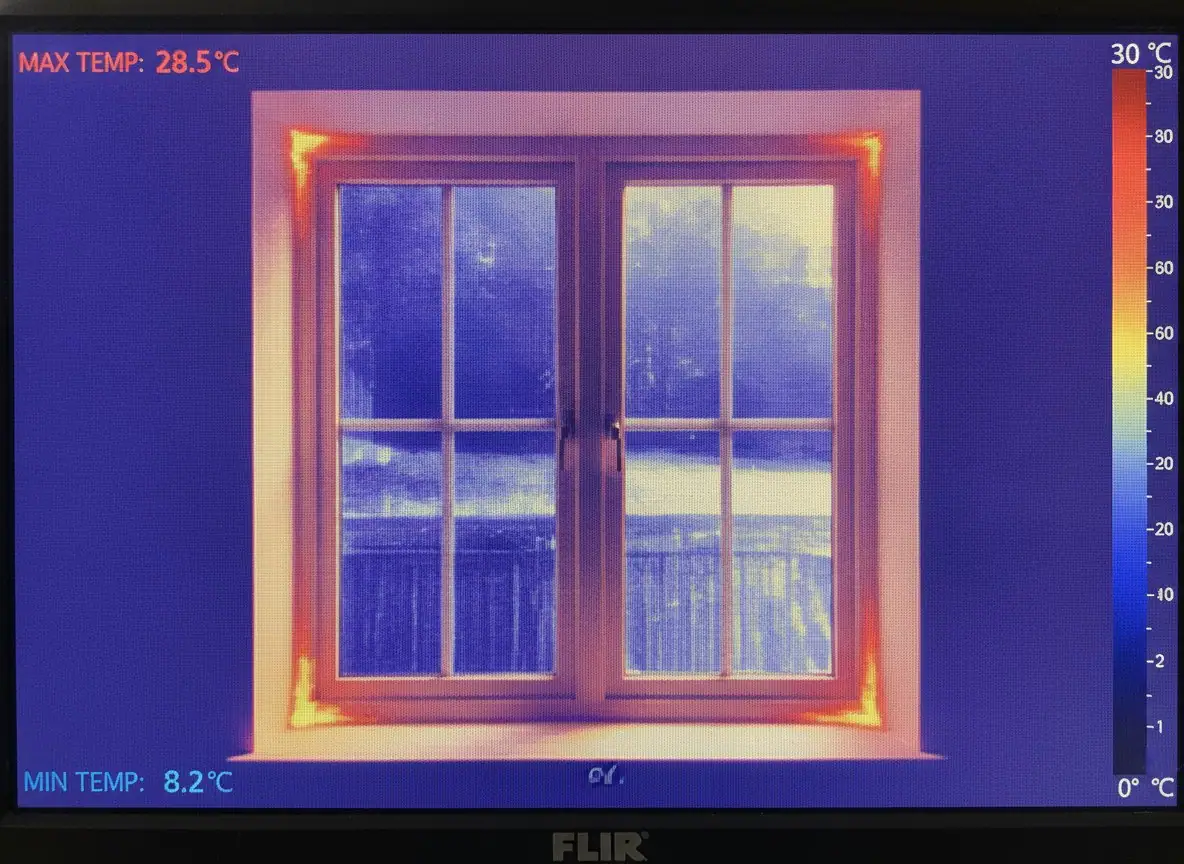
A Clear Path Insulation technician visits your Vernon property to conduct a thorough inspection of existing insulation conditions, building envelope gaps, HVAC performance data, and Title 24 compliance gaps. We use thermal imaging cameras to identify heat brid
- 02
Scope of Work and Material Specification (Days 2–3)
Based on the assessment, we prepare a detailed scope of work specifying Rockwool product lines (such as SAFE’n’SOUND, Comfortbatt, or Industrial Board) appropriate for your specific assembly type — whether tilt-up wall cavity, metal stud partition, roof deck a
- 03
Permitting and Code Compliance Review (Days 3–7)
We coordinate with the City of Vernon’s Building and Safety Division to pull any required building permits and confirm that our installation plan satisfies current Title 24 Part 6 requirements. This step prevents costly stop-work orders that delay operations i
- 04
Site Preparation (Installation Day 1 — 2 to 4 Hours)
Our crew prepares the work area by clearing equipment access paths, installing protective sheeting over sensitive machinery or food-processing equipment, and setting up safety containment barriers in accordance with OSHA standards applicable to active commerci
- 05
Rockwool Installation (1 to 4 Days Depending on Project Scale)
Rockwool batts or boards are cut to precise dimensions and friction-fit or mechanically fastened into wall cavities, ceiling assemblies, or roof decks. All seams, penetrations, and electrical/mechanical chase points are carefully sealed to eliminate thermal br
- 06
Quality Control Inspection (Final Installation Day)
Upon completion, we conduct a post-installation thermal scan to verify uniform coverage, identify any missed areas, and confirm that installed R-values match specification. All work is documented for your permit close-out and Title 24 compliance records.
- 07
Final Walk-Through and Documentation Handoff
We walk the property with the building manager or owner, review all completed work, provide installation documentation suitable for CDPH or fire marshal review, and explain ongoing maintenance recommendations specific to Vernon’s climate conditions.
Rockwool Insulation Methods and Approaches
Rockwool Batt Installation
The most common method for Vernon’s metal stud and wood-frame wall cavities. Pre-cut Rockwool batts are friction-fit between studs at 16-inch or 24-inch on-center spacing. This approach is ideal for interior partition walls in food-processing facilities where both thermal and acoustic separation between production zones and office spaces is required. Installation time: approximately 1,000 to 1,500 square feet per crew per day.
Rockwool Board Insulation (Continuous Insulation)
Rigid Rockwool boards applied to the exterior or interior face of tilt-up concrete walls provide continuous insulation without thermal bridging through the structural framing. This method is particularly effective for Vernon’s older tilt-up warehouse buildings undergoing Title 24 compliance upgrades, where adding continuous insulation can bring assemblies from R-0 to R-13 or higher in a single layer application.
Rockwool Pipe and Equipment Insulation
For cold-storage facilities and refrigeration lines common throughout Vernon’s industrial corridor, pre-formed Rockwool pipe sections and flexible blanket products insulate process piping, ductwork, and mechanical equipment. This application prevents condensation-driven corrosion on refrigeration lines and reduces heat gain into chilled spaces.
Combined Rockwool and Spray Foam Assembly
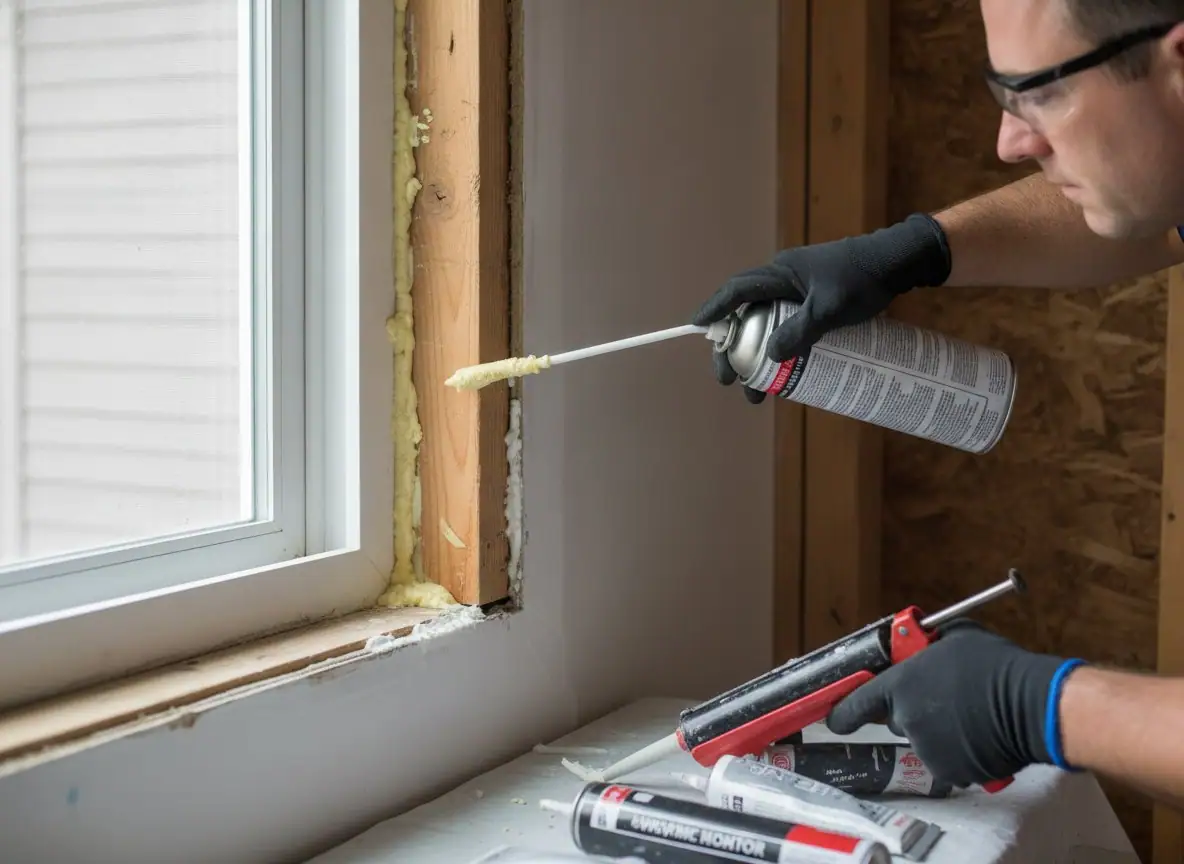
In metal building applications with exposed steel purlins and girts, we often pair spray foam insulation at the steel framing interfaces with Rockwool batts filling the field area. This hybrid approach eliminates thermal bridging at the steel frame while maintaining Rockwool’s fire-resistance and acoustic performance across the broader assembly — a solution well-suited to Vernon’s large-span steel-frame distribution centers.
Rockwool Insulation Cost in Vernon, CA
The cost of Rockwool insulation in Vernon, CA typically ranges from $1.75 to $4.50 per square foot installed, depending on the specific product, thickness, and application method. For a standard commercial tilt-up warehouse with 20,000 square feet of wall and ceiling area requiring R-19 Rockwool board installation, total project costs commonly fall between $35,000 and $90,000, inclusive of materials, labor, and permit fees.
Cost Factors Specific to Vernon Projects
- Building height: Vernon’s taller warehouse buildings (30 to 50-foot clear heights) require scissor lifts or man-lifts, adding $500 to $2,500 per day in equipment rental costs.
- Active facility surcharge: Phased installation in operating food-processing or cold-storage facilities typically adds 15% to 25% to base installation costs due to scheduling constraints and containment requirements.
- Existing insulation removal: If degraded fiberglass or asbestos-containing insulation must be removed before Rockwool installation, insulation removal costs of $0.75 to $2.00 per square foot apply separately.
- Title 24 compliance upgrades: Projects triggered by renovation permits may require upgraded assemblies beyond minimum replacement-in-kind, increasing material thickness and cost by 20% to 40%.
- Los Angeles County labor market: Prevailing wage requirements on publicly funded or contract work in Vernon can increase labor rates by 30% to 50% compared to private-sector commercial projects.
Clear Path Insulation provides free, no-obligation on-site quotes for all Rockwool insulation projects in Vernon. Call (323) 416-2078 to schedule your assessment and receive a detailed line-item estimate.
Neighborhoods We Serve Near Vernon, CA
Vernon Industrial Core
Vernon’s industrial core — encompassing the Bandini Boulevard, Fruitland Avenue, and 26th Street corridors — consists primarily of tilt-up concrete buildings constructed between 1950 and 1985 with minimal original insulation. These structures present significant retrofit opportunities for Rockwool continuous insulation board systems. Attic insulation upgrades in mezzanine office spaces within these facilities are also a common need.
Huntington Park and Maywood
Immediately south of Vernon, Huntington Park and Maywood feature a mix of older light industrial and residential-over-commercial buildings from the 1930s to 1960s. These smaller-footprint structures benefit from Rockwool batt installation in wall cavities and blow-in insulation for attic spaces with complex framing.
Commerce and East Los Angeles
Commerce and East Los Angeles host large distribution centers and cold-storage facilities along the I-5 and I-710 corridors, where Rockwool pipe and equipment insulation is in high demand alongside crawl space insulation for older structures with raised foundations.
Boyle Heights and Downtown Los Angeles
Mixed-use and adaptive-reuse buildings in Boyle Heights and Downtown Los Angeles increasingly require Rockwool SAFE’n’SOUND installation for acoustic separation between residential and commercial units, a growing application as industrial buildings convert to live-work and creative office uses.
Rockwool Insulation Maintenance Tips for Vernon Properties
- Annual visual inspection: Each spring, inspect accessible Rockwool installations for compression, displacement, or moisture staining — particularly in roof assembly areas where El Niño winter storms can drive water infiltration through failing roof membranes.
- Thermal scan after major weather events: Following significant rainfall events or the September–October Santa Ana wind season, commission an infrared thermal scan to detect any new heat bridges or moisture intrusion points in your building envelope.
- Maintain positive vapor control: Ensure vapor retarder membranes on the warm side of Rockwool assemblies remain intact and sealed, especially after electrical or mechanical penetrations are made by other trades.
- Monitor refrigeration line insulation: In cold-storage applications, inspect Rockwool pipe insulation annually for compression or separating seams that allow condensation to form on refrigerant lines.
- Keep loading dock areas sealed: Loading dock door seals and dock leveler pit insulation deteriorate quickly in Vernon’s dusty industrial environment. Replacing worn seals prevents significant heat infiltration through these high-traffic openings.
- Document all Title 24 compliance records: Maintain installation certificates and product data sheets in your facility file for city inspections and CDPH food-safety audits that may require insulation performance verification.
- Schedule professional re-inspection every 5 years: For buildings more than 20 years old along Vernon’s Alameda Street corridor, a professional insulation re-inspection every five years catches degradation before it affects energy costs or code compliance.
Why Choose Clear Path Insulation for Rockwool Insulation in Vernon
Clear Path Insulation brings specialized expertise in commercial and industrial insulation to Vernon, CA and the broader Southeast Los Angeles industrial corridor. Our technicians understand the unique building types, operational constraints, and regulatory environment that define insulation work in one of California’s most concentrated industrial cities.
We are familiar with the Vernon Building and Safety Division’s permitting process, Title 24 Part 6 compliance documentation requirements, and the CDPH food-safety facility standards that govern insulation material selection in food-processing environments. This local knowledge reduces project delays and compliance risks for our clients.
Clear Path Insulation offers a complete range of insulation services beyond Rockwool, including spray foam insulation, blow-in insulation, crawl space encapsulation, and insulation removal and replacement — allowing us to address your entire building envelope under a single contract. Our crews are equipped for phased installation in active facilities, and we prioritize scheduling approaches that minimize disruption to your production operations. Call us at (323) 416-2078 to speak with a Vernon-area insulation specialist.
FAQ
Frequently Asked Questions: Rockwool Insulation in Vernon, CA
How much does Rockwool insulation cost in Vernon, CA?
Rockwool insulation in Vernon typically costs between $1.75 and $4.50 per square foot installed. For a mid-size commercial warehouse project of 10,000 square feet, expect total project costs in the range of $17,500 to $45,000 depending on product thickness, building height, and whether active-facility scheduling surcharges apply. Call (323) 416-2078 for a free on-site estimate specific to your property.
Is Rockwool better than fiberglass insulation for Vernon’s industrial buildings?
In most Vernon commercial and industrial applications, yes. Rockwool outperforms fiberglass in fire resistance (non-combustible vs. fiberglass’s melt point of approximately 1,000°F), moisture tolerance (maintains R-value when wet vs. fiberglass losing up to 40% R-value when saturated), acoustic performance (STC 45–52 vs. fiberglass STC 35–45 in comparable assemblies), and long-term dimensional stability in the temperature extremes common in Vernon’s industrial environment.
How long does Rockwool insulation installation take in a commercial building?
For a typical Vernon warehouse or light industrial facility ranging from 5,000 to 25,000 square feet of insulation area, installation takes between 2 and 7 working days. Larger or more complex projects, or those requiring phased installation around active production schedules, may take 2 to 4 weeks. Permitting from the City of Vernon’s Building and Safety Division typically adds 5 to 10 business days before installation can begin.
Does Rockwool insulation meet California Title 24 requirements?
Yes. Rockwool products are widely specified to meet California Title 24 Part 6 energy code requirements for commercial buildings. Depending on your climate zone (Vernon falls within CEC Climate Zone 9) and assembly type, the appropriate Rockwool product and thickness will be specified during our assessment phase. We provide complete Title 24 compliance documentation for permit close-out.
Can Rockwool be installed in food-processing facilities in Vernon without shutting down operations?
In most cases, yes. Clear Path Insulation regularly performs phased Rockwool installations in active food-processing facilities along Vernon’s industrial corridors. We use containment barriers, schedule work in non-production zones during operating hours, and coordinate shutdown windows for areas requiring temporary equipment clearance. We also specify CDPH-compliant Rockwool products that meet food-safety facility material requirements.
Does Rockwool insulation require special disposal if removed later?
Standard Rockwool insulation is not classified as hazardous waste and can typically be disposed of in general construction waste streams. However, older mineral wool products installed before 1980 may contain asbestos fibers and require certified asbestos abatement before our insulation removal crews can proceed. We conduct material testing when any pre-1980 insulation is encountered.
What areas near Vernon do you serve?
In addition to Vernon, Clear Path Insulation serves Cudahy, Bell, Commerce, Huntington Park, Maywood, South Gate, Lynwood, Montebello, East Los Angeles, Florence-Graham, Boyle Heights, Pico-Union, Westlake, Downtown Los Angeles, and surrounding Southeast and South Los Angeles communities. Call (323) 416-2078 to confirm service availability at your specific address.
How does Rockwool insulation help with noise from Vernon’s rail lines?
Rockwool’s dense fiber structure is highly effective at absorbing and blocking mid- and low-frequency noise — the frequency ranges most prominent in rail traffic noise from the Union Pacific and BNSF corridors along Alameda Street. Installed in wall cavities at 3.5-inch thickness, Rockwool SAFE’n’SOUND achieves STC ratings of 45 to 52, reducing perceived noise loudness by 50% to 75% compared to an uninsulated wall assembly. For maximum rail noise reduction, we recommend combining Rockwool with resilient channel framing and double-layer drywall assemblies.
Get a Free Rockwool Insulation Quote in Vernon, CA Today
Ready to reduce energy costs, improve fire safety, and meet California Title 24 requirements at your Vernon commercial or industrial property? Clear Path Insulation is ready to help. Our team provides free, no-obligation on-site assessments and detailed project quotes tailored to the specific demands of Vernon’s industrial building stock.
Call us now at (323) 416-2078 to speak directly with a Vernon-area Rockwool insulation specialist, or reach out online to schedule your site visit. We serve Vernon, Huntington Park, Commerce, Maywood, Bell, South Gate, Boyle Heights, Downtown Los Angeles, and all surrounding Southeast Los Angeles communities. Don’t wait until your next high summer electricity bill — contact Clear Path Insulation today and start down a clearer path to comfort, compliance, and efficiency.
Get in touch
Find insulation help near you
Request a free estimate online or give us a call — our team will follow up quickly.
- Call us(323) 416-2078
- Visit5333 S Downey Rd, Vernon, CA 90058
- HoursMon-Sun 07:00-19:00