
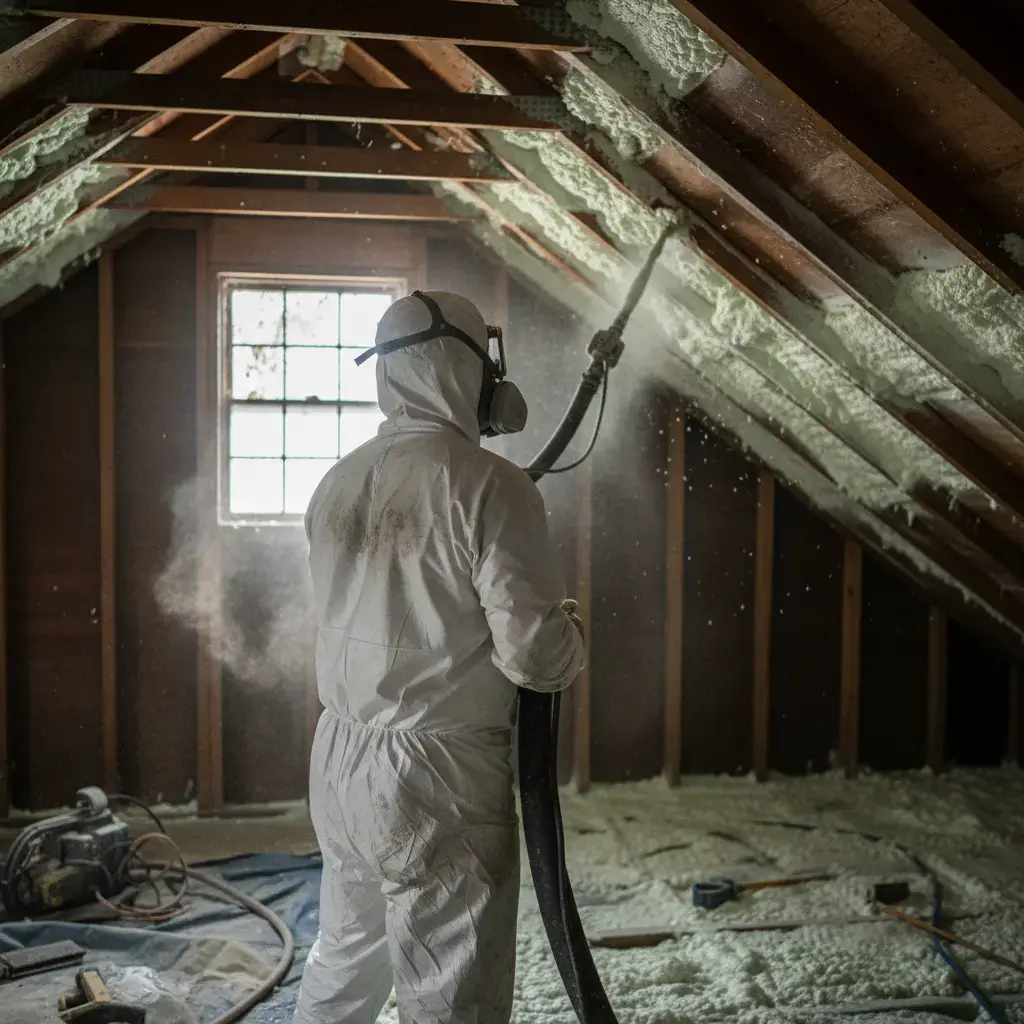
Crawl Space Encapsulation in Vernon, CA
Professional Crawl Space Encapsulation in Vernon, CA in Vernon, CA — Licensed, Insured & Locally Owned
Need crawl space encapsulation in Vernon, CA? Clear Path Insulation offers expert moisture control, vapor barriers & more. Call 323-416-2078 for a free estimate.
Crawl space encapsulation is the process of sealing your home’s crawl space with heavy-duty vapor barriers, moisture-resistant insulation, and controlled ventilation to protect the structural integrity of your property and improve indoor air quality. In Vernon, CA — a dense industrial city in Los Angeles County — the combination of urban heat island effects, aging industrial-era housing stock, and soil moisture from the Los Angeles River basin creates unique challenges for crawl spaces that standard moisture control cannot address.
At Clear Path Insulation, we specialize in professional crawl space encapsulation services tailored to the specific environmental conditions found in Vernon and the surrounding Southeast Los Angeles corridor. Our team understands local building codes, soil conditions, and the particular vulnerabilities of homes built near Vernon’s heavy industrial zones. Whether you’re dealing with persistent moisture, pest intrusion, or rising energy costs, we deliver lasting solutions built for this community.
Call us today at 323-416-2078 to schedule your free crawl space inspection.
Understanding Crawl Space Encapsulation
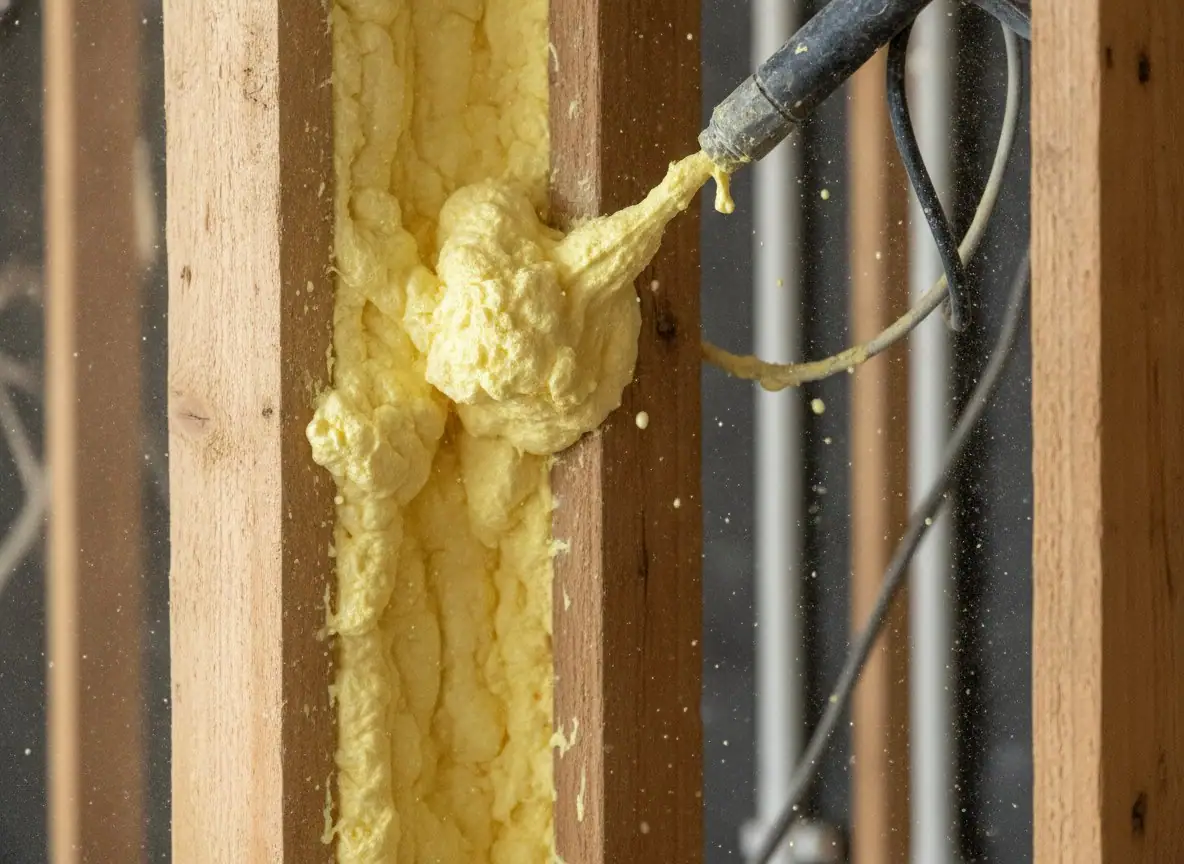
Crawl space encapsulation is a comprehensive moisture management system that transforms an open, vented crawl space into a sealed, conditioned environment. Unlike simple vapor barriers placed loosely on the ground, full encapsulation involves installing a reinforced polyethylene barrier — typically 12 to 20 mils thick — across the floor, walls, and sometimes the ceiling of the crawl space, sealed at every seam and penetration with waterproof tape and mechanical fasteners.
The concept of crawl space encapsulation evolved significantly in the early 2000s when building scientists began publishing research showing that traditional vented crawl spaces were counterproductive in many climates. The “Building Science Corporation” studies of 2004–2009 demonstrated that vented crawl spaces in warm, humid, or contaminated environments actually drew in more moisture and pollutants than they expelled. This research led to widespread adoption of the sealed crawl space model across California and the broader Southwest.
Read moreShow less
In Vernon, most residential structures were built between the 1920s and the 1960s during the city’s rapid industrial expansion. These older homes commonly feature pier-and-beam or raised-foundation construction with crawl spaces that range from 18 inches to 48 inches in height. Many were built before modern moisture codes existed, leaving them particularly vulnerable to ground moisture vapor, soil off-gassing from historically industrial land, and biological growth.
A complete encapsulation system includes several interconnected components: a sealed ground cover vapor barrier, wall insulation and sealing, a crawl space dehumidifier or ventilation connection to the HVAC system, and in some cases, a sump pump for active water management. Together, these components reduce relative humidity in the crawl space to below 60% — the threshold above which mold, wood rot, and pest activity accelerate. For Vernon homeowners, encapsulation also provides an important secondary benefit: it creates a sealed buffer between the home’s living areas and the industrial soil conditions below.
Learn more about our Crawl Space Insulation services
Why Crawl Space Encapsulation Is Needed in Vernon, CA
Industrial Soil Contamination and Off-Gassing
Vernon is one of the most industrially dense cities in California, home to over 1,800 businesses including food processing plants, chemical manufacturers, and distribution warehouses. Decades of industrial activity have left certain residential parcels near the Bandini Boulevard corridor and Fruitland Avenue area with soils that contain elevated levels of volatile organic compounds (VOCs) and other chemical residues. Without an encapsulated crawl space, these compounds can migrate upward through the soil and into living areas through a process called soil vapor intrusion. A properly sealed 20-mil vapor barrier with taped seams provides a critical first line of defense against this pathway, reducing vapor intrusion risk by up to 90% according to California Department of Toxic Substances Control guidelines.
Los Angeles River Basin Soil Moisture
Vernon sits directly adjacent to the concrete-channeled Los Angeles River, and much of the city rests on former floodplain soils. These soils — classified as Hanford sandy loam and Wyman loamy fine sand by the USDA — have moderate to high water-holding capacity and remain consistently moist at depths of 18 to 36 inches, even during dry Southern California summers. Ground-level relative humidity measurements in Vernon crawl spaces frequently register between 70% and 85% during late summer months, well above the 60% threshold for biological growth. The proximity to the river channel, roughly 0.3 to 1.2 miles from most residential addresses, means hydrostatic pressure fluctuates seasonally, increasing crawl space moisture intrusion risk from November through April.
Urban Heat Island Effect and Condensation Cycles
Vernon’s surface temperatures regularly run 8°F to 12°F higher than surrounding communities due to its extreme concentration of paved surfaces, metal-roofed warehouses, and minimal tree canopy. This urban heat island effect creates sharp temperature differentials between crawl space air and ground soil temperatures, particularly during the Southern California marine layer season from May through August. When warm, humid marine air enters traditional vented crawl spaces at night and contacts cooler soil surfaces, it deposits condensation directly onto wood framing and subfloor materials. Over time, this daily condensation cycle — documented in post-inspection reports following the 2015 and 2019 Southern California drought-recovery wet seasons — accounts for the majority of wood rot and mold cases observed in Vernon’s older residential stock.
Seismic Activity and Foundation Exposure
The Whittier Fault runs approximately 4 miles east of Vernon, and the city sits within a Seismic Zone 4 designation under California building standards. Minor seismic events, including the 5.1 magnitude Whittier Fault earthquake of March 2014 and the 4.9 magnitude event of September 2020, can create micro-fractures in concrete stem walls and pier footings that allow accelerated moisture infiltration. Encapsulation with wall-applied barriers directly addresses this vulnerability by covering stem wall surfaces and sealing these entry points before they cause structural damage.
Learn about our Insulation Removal services for crawl spaces with existing damaged materials
Free, no-obligation estimates
Talk to Clear Path Insulation
Tell us what you need and we’ll take it from there.
Signs You Need Crawl Space Encapsulation in Vernon
Moisture and Water Indicators
- Visible standing water or mud in the crawl space following rain events above 0.5 inches
- White mineral deposits (efflorescence) on concrete stem walls or pier bases
- Rust staining on metal straps, pipe hangers, or HVAC ductwork in the crawl space
- Condensation or sweating on cold water pipes during warm months
Biological Growth and Odor
- Musty, earthy, or chemical odors entering the home from floor registers or interior rooms
- Visible mold or mildew on wood joists, subfloor sheathing, or existing insulation
- Dark staining or biological discoloration on wood members below 24 inches from the ground
Structural and Performance Symptoms
- Soft, spongy, or bouncy areas in hardwood or tile flooring above the crawl space
- Doors or windows that stick seasonally without obvious cause
- Unusually high heating and cooling bills relative to comparable Vernon properties
- Cold floors during winter months despite adequate thermostat settings
Pest Activity
- Evidence of rodent droppings, nesting materials, or gnawed insulation in the crawl space
- Subterranean termite mud tubes on stem walls or wood members
If you observe two or more of these indicators, contact Clear Path Insulation at 323-416-2078 for an urgent inspection.
Crawl Space Encapsulation Methods and Approaches
Full Encapsulation with Conditioned Air Supply
The most comprehensive method, ideal for Vernon homes larger than 1,500 square feet of crawl space area or those with documented soil vapor intrusion concerns. The sealed crawl space is connected to the home’s HVAC system via a small supply duct, maintaining positive pressure and consistent humidity control year-round. This approach is recommended for properties on Fruitland Avenue and Bandini Boulevard where industrial soil conditions require the highest level of vapor management.
Full Encapsulation with Standalone Dehumidifier
The most common solution for mid-size Vernon residential crawl spaces between 800 and 1,500 square feet. A dedicated crawl space dehumidifier (typically 70 to 90 pint capacity) maintains relative humidity below 55%. This method works well in homes where HVAC duct extension is impractical due to existing system configuration.
Partial Encapsulation with Enhanced Vapor Barrier
Appropriate for smaller crawl spaces under 800 square feet with low to moderate moisture levels. A 12-mil barrier covers the ground only, with improved passive ventilation. This is a cost-effective entry point for older Vernon bungalows with shallow crawl spaces of 18 to 24 inches in height where full-system access is limited.
Encapsulation with Active Sump System
Used in Vernon properties that experience seasonal water intrusion — particularly those within two blocks of the Los Angeles River channel or in low-lying areas near Leonis Boulevard. A sump pit and pump system is installed prior to vapor barrier placement to manage active water before encapsulation seals the space.
Spray Foam Insulation is often combined with encapsulation for maximum thermal performance on rim joists and stem walls.
Crawl Space Encapsulation Cost in Vernon, CA
Understanding the investment involved helps Vernon homeowners plan appropriately. Crawl space encapsulation costs in the Vernon, CA area vary based on several measurable factors.
Typical Price Ranges
- Basic vapor barrier installation only: $1,200 – $2,500 for crawl spaces up to 1,000 sq ft
- Standard full encapsulation (barrier + wall insulation + dehumidifier): $3,500 – $6,500 for 1,000–1,500 sq ft crawl spaces
- Comprehensive encapsulation with mold remediation and pest proofing: $5,000 – $10,000+ depending on existing damage and crawl space size
- Sump pump addition: $800 – $1,800 added to base encapsulation cost
Factors That Affect Your Vernon Project Cost
- Crawl space height: Spaces under 24 inches require additional labor time, adding $300–$700 to project cost
- Existing damage: Mold remediation adds $500–$3,000; structural wood replacement is priced separately by a licensed contractor
- Soil conditions: Contaminated soils near Vernon’s industrial corridors may require thicker 20-mil barriers versus standard 12-mil products, adding $0.25–$0.50 per square foot
- Access difficulty: Single access point crawl spaces add 10–15% to labor costs
- Dehumidifier capacity: Units range from $400 (70-pint) to $1,200 (commercial-grade) depending on square footage
Read moreShow less
Return on Investment
Vernon homeowners typically see a 10–25% reduction in heating and cooling costs following encapsulation. Given Southern California Gas and LADWP average utility rates in the Vernon area, this translates to annual savings of $300–$900 for a typical 1,200-square-foot home, yielding a full return on investment within 5–10 years.
Call 323-416-2078 for a free, no-obligation estimate specific to your property.
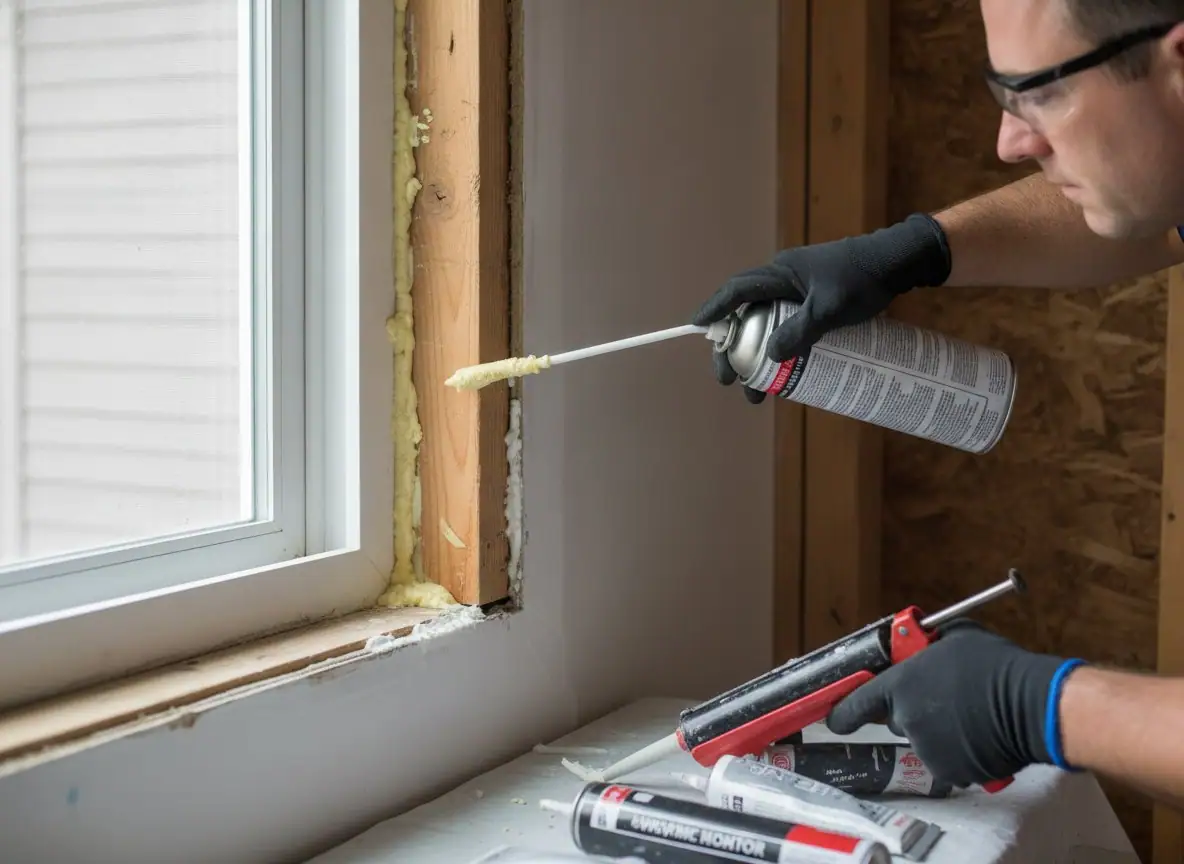
Neighborhoods We Serve in Vernon, CA
Vernon Residential Core (Leonis Boulevard Area)
The small residential district centered near Leonis Boulevard consists primarily of 1920s–1940s craftsman bungalows and Spanish revival homes on pier-and-beam foundations. These properties sit on former agricultural land with high organic soil content that retains moisture aggressively, making full encapsulation with dehumidification a common recommendation.
South Vernon / Bandini Boulevard Corridor
Homes and worker housing near Bandini Boulevard, some dating to the 1910s, face the dual challenge of industrial soil proximity and aging foundation systems. Many original crawl space vents are corroded or damaged, accelerating moisture infiltration. Sump-integrated encapsulation is frequently required here.
East Vernon / Fruitland Avenue Area
Properties near Fruitland Avenue include a mix of mid-century residential structures built between 1945 and 1965. These homes often have partial concrete slab and partial crawl space configurations, requiring customized encapsulation approaches that address the transition zone between slab and raised foundation areas.
Explore our full Crawl Space Insulation services available throughout Vernon and Southeast Los Angeles.
Crawl Space Maintenance Tips for Vernon Homeowners
After encapsulation, proper maintenance ensures your system performs optimally for 15–25 years. These tips are calibrated for Vernon’s specific climate and industrial environment.
- Inspect the vapor barrier annually: Check for tears, punctures, or displaced seams, particularly after any seismic activity above 3.5 magnitude on the Richter scale.
- Empty and service the dehumidifier: Clean the filter every 3 months and schedule a full service check each October before Southern California’s wet season begins in November.
- Monitor humidity levels: Keep a hygrometer in the crawl space year-round; readings above 60% require immediate investigation. Target levels for Vernon are 45–55% relative humidity.
- Check pest exclusion barriers: Inspect steel mesh and sealed penetrations each spring, as ground squirrels and Norway rats — common in Vernon’s industrial areas — persistently attempt re-entry.
- Clear exterior drainage: Ensure that downspouts discharge at least 6 feet from the foundation and that grading slopes away from the home at a minimum 1-inch drop per foot.
- Inspect after heavy rain events: Following storms with over 1.5 inches of rainfall — which occur several times during El Niño years — visually inspect the crawl space for standing water or barrier displacement.
- Re-seal access door weatherstripping: The access door is the most common moisture entry point; replace foam weatherstripping every 2–3 years.
Why Choose Clear Path Insulation for Crawl Space Encapsulation in Vernon
Clear Path Insulation is a professional insulation contractor serving Vernon and the broader Southeast Los Angeles area. Our team has direct, hands-on experience with the specific building stock, soil conditions, and environmental factors that make Vernon properties unique — from the industrial soil vapor concerns along Bandini Boulevard to the marine layer condensation cycles that affect crawl spaces near the Los Angeles River basin.
We take a diagnostic-first approach. Every project begins with a thorough inspection and moisture assessment before a single recommendation is made, ensuring that you receive the right solution for your property rather than a one-size-fits-all package. Our technicians are trained in California Building Code crawl space requirements, including Title 24 energy standards and local air quality district guidelines relevant to Vernon’s industrial environment.
Read moreShow less
Beyond crawl space encapsulation, we offer a complete range of insulation and home performance services — including Attic Insulation, Blown-In Insulation, Fiberglass Insulation, and Rodent Proofing — allowing us to address your home’s full envelope in a single, coordinated project.
Call 323-416-2078 to speak with a local specialist today.
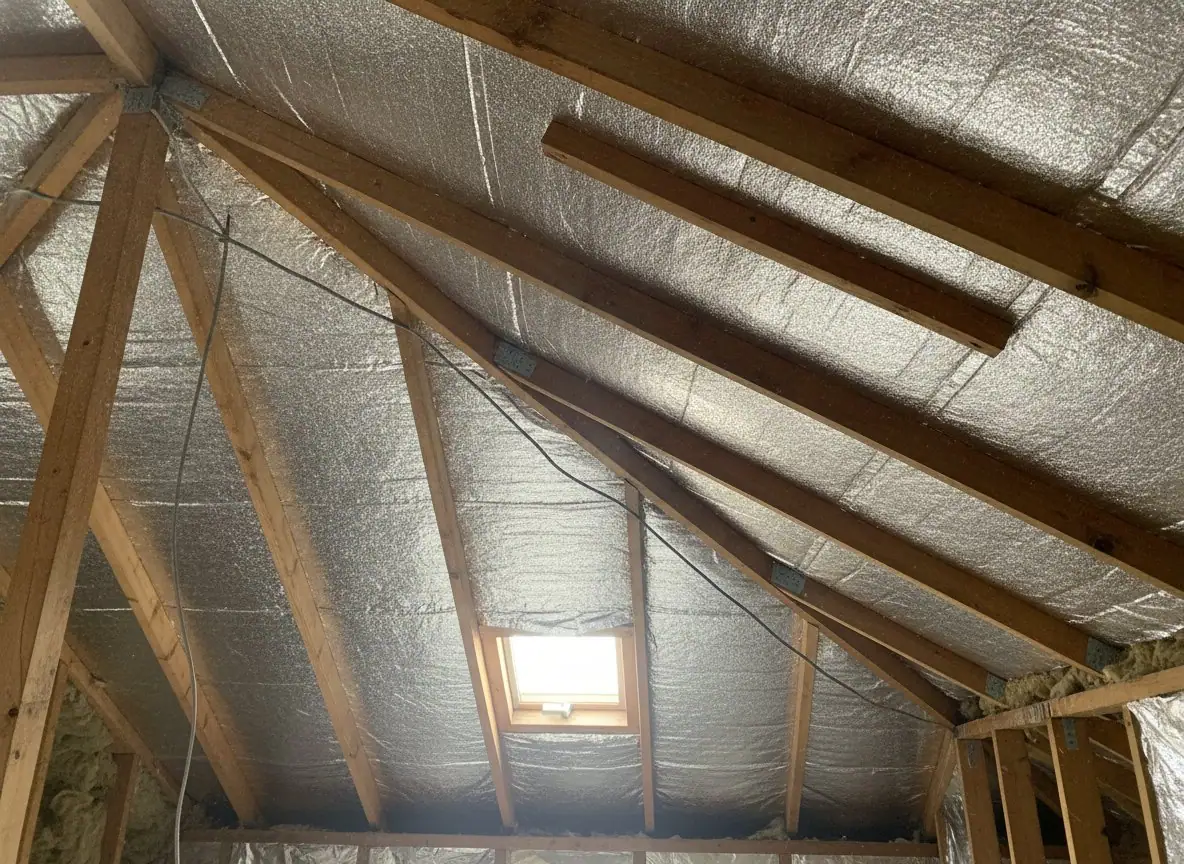
FAQ
Frequently Asked Questions: Crawl Space Encapsulation in Vernon, CA
How much does crawl space encapsulation cost in Vernon, CA?
Most Vernon homeowners pay between $3,500 and $7,500 for a complete crawl space encapsulation, depending on square footage, crawl space height, existing moisture damage, and whether mold remediation or pest exclusion work is required. Properties near Vernon’s industrial corridors with soil vapor concerns may require premium 20-mil barriers, adding modestly to the total. We provide free on-site estimates at 323-416-2078.
How long does crawl space encapsulation take in Vernon?
A standard encapsulation project for a typical Vernon home with a 1,000–1,500 square foot crawl space takes 2 to 4 days from start to finish. Projects requiring mold remediation, structural repairs, or sump pump installation may extend the timeline to 5–7 days. We will give you a specific schedule during the initial inspection.
Is crawl space encapsulation required by code in Vernon, CA?
California Building Code Section R408 requires ground cover vapor retarders in crawl spaces, and California Title 24 mandates specific insulation levels for conditioned crawl spaces. Vernon enforces Los Angeles County building standards. While full encapsulation is not mandated for existing homes, any permitted renovation or sale-related work may trigger compliance requirements. We can advise on your specific situation.
Does Vernon’s industrial environment affect crawl space encapsulation?
Yes, significantly. Homes near Vernon’s heavy industrial zones along Bandini Boulevard and Fruitland Avenue may have elevated soil vapor intrusion risks from VOCs and other industrial residues. In these cases, we recommend 20-mil reinforced barriers (versus standard 6- or 12-mil products) and may suggest a sub-slab depressurization assessment if soil testing indicates elevated contamination levels. We document all conditions in our inspection report.
How long does a crawl space encapsulation system last in Vernon?
A properly installed 20-mil vapor barrier system has a rated lifespan of 25 years or more. Dehumidifiers typically last 8–12 years with annual servicing. The overall system, with proper maintenance, provides effective protection for 15–25 years before any major component replacement is needed.
Will crawl space encapsulation reduce my energy bills?
Yes. By sealing the crawl space, you eliminate the largest source of conditioned air loss in raised-foundation homes — a gap that accounts for 15–25% of total HVAC energy consumption according to Department of Energy estimates. Vernon homeowners typically see 10–25% reductions in gas and electricity costs related to heating and cooling after encapsulation.
Can crawl space encapsulation help with rodent problems?
Encapsulation significantly reduces rodent attraction by eliminating moisture and food sources (mold, organic debris) that draw pests. When combined with our dedicated rodent exclusion service — including hardware cloth installation and penetration sealing — encapsulation creates a comprehensive barrier. Norway rats and roof rats are particularly active in Vernon due to proximity to food processing facilities; we address this directly in our exclusion protocols. Learn more about our Rodent Proofing services.
Do I need to vacate my home during crawl space encapsulation?
In most cases, no. Crawl space encapsulation work is performed entirely below the home and does not disrupt interior living spaces. However, if mold remediation is required and mold counts are elevated, we recommend temporary relocation for 24–48 hours during active remediation as a precautionary measure. We will advise you specifically based on your inspection results.
Get Your Free Crawl Space Encapsulation Estimate in Vernon, CA
Don’t let moisture, industrial soil vapor, or pest activity compromise your home’s structural integrity and your family’s air quality. Clear Path Insulation is ready to provide a thorough, no-obligation crawl space inspection and a transparent, itemized estimate for your Vernon property.
We serve all Vernon residential areas, including the Leonis Boulevard corridor, South Vernon, and East Vernon. Our team is familiar with the unique challenges of this community and ready to deliver a solution built for these specific conditions.
Call us now at 323-416-2078 to schedule your free inspection. Same-week appointments are available for urgent moisture or pest concerns.
Contact Clear Path Insulation to request your free estimate online.
Get in touch
Find insulation help near you
Request a free estimate online or give us a call — our team will follow up quickly.
- Call us(323) 416-2078
- Visit5333 S Downey Rd, Vernon, CA 90058
- HoursMon-Sun 07:00-19:00