
Basement Insulation in Vernon, CA
Energy-Saving Basement Insulation for Vernon, CA Homes — Licensed & Insured
Need basement insulation in Vernon, CA? Clear Path Insulation installs spray foam, rigid board & blow-in systems for Vernon’s industrial buildings. Call (323) 416-2078.
Basement insulation is the process of applying thermal and moisture barriers to the walls, floor, and ceiling of a below-grade or semi-below-grade space to regulate temperature, control humidity, and reduce energy loss. In Vernon, CA — a densely industrial city of just 5.2 square miles in Los Angeles County — older concrete-block commercial and mixed-use structures frequently suffer from uninsulated or under-insulated basements that drive up utility costs and create unhealthy indoor environments.
Clear Path Insulation specializes in basement insulation solutions designed for Vernon’s unique building stock, soil conditions, and Southern California climate. Whether you own a legacy warehouse, a converted live-work unit, or a light-industrial facility with below-grade mechanical rooms, our technicians assess, recommend, and install the right insulation system to maximize comfort and energy efficiency. Call us today at (323) 416-2078 to schedule your free on-site evaluation.
Understanding Basement Insulation
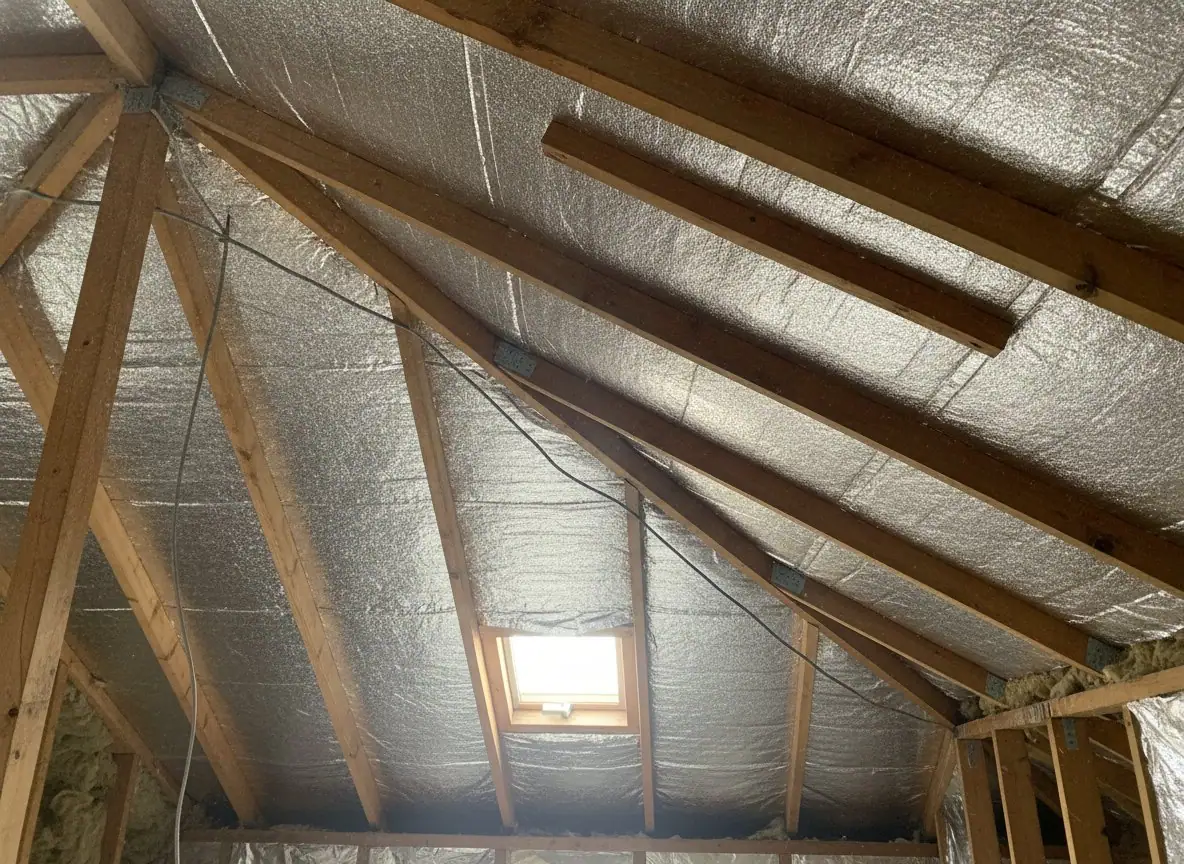
Basement insulation encompasses several distinct assemblies: insulating the rim joist (the framing member at the top of the foundation wall), the foundation walls themselves, and in some cases the slab or floor above the basement. Proper insulation creates a continuous thermal envelope that prevents conditioned air from escaping while blocking ground moisture, soil gases, and outdoor heat from entering.
Historically, basement insulation was treated as optional in Southern California because the Mediterranean climate seemed mild compared to colder regions. That assumption led generations of builders in the Greater Los Angeles basin to leave foundation walls bare concrete or concrete masonry unit (CMU) construction with no thermal break whatsoever. By the early 2000s, California’s Title 24 energy code updates began requiring baseline insulation values even in Climate Zone 10, which covers Vernon and the surrounding communities. Older structures built before those code revisions — many of which still dominate Vernon’s building inventory — are exempt from mandatory retrofits but are increasingly costly to operate without them.
Read moreShow less
Vernon is unusual among California cities. It was incorporated in 1905 specifically as an industrial municipality and still hosts roughly 1,800 businesses employing more than 50,000 workers within its tiny footprint. The majority of its structures are pre-1980 tilt-up concrete or CMU industrial buildings, many of which contain below-grade mechanical rooms, cold-storage areas, and utility corridors that function as informal basements. A smaller percentage of the building stock includes early-20th-century commercial structures with true full-height basements used for storage or production.
In these settings, uninsulated basement assemblies create significant problems: concrete walls in direct contact with Vernon’s expansive clay soils transfer cold in winter and heat in summer, moisture migrates through the slab, and thermal bridging through uninsulated CMU raises heating and cooling loads by 15–25% compared to a properly insulated assembly, according to California Energy Commission benchmarks. Basement insulation corrects all three problems simultaneously when selected and installed correctly.
Why Basement Insulation Is Needed in Vernon, CA
Vernon’s Industrial Climate Demands
Vernon sits in the heart of the Southeast Los Angeles industrial corridor, bordered by Commerce to the east, Huntington Park to the south, and Boyle Heights to the north. The city’s average summer high temperatures reach 93–96°F during peak heat events, while the Urban Heat Island effect — intensified by Vernon’s unusually high ratio of impervious surface to green space — pushes localized temperatures 4–7°F above regional averages recorded at the Civic Center weather station. During the September 2020 heat emergency, when Los Angeles County declared an excessive heat warning with temperatures reaching 112°F in parts of the San Gabriel Valley, Vernon’s industrial zones logged readings above 101°F for five consecutive days. Uninsulated basement walls and slabs acted as heat sinks, radiating stored thermal energy into below-grade spaces around the clock.
Expansive Clay Soils and Ground Moisture
The Los Angeles Basin is underlain largely by alluvial deposits and, in Vernon’s specific location, by Montebello silt loam and Ramona fine sandy loam transitioning to heavier clay fractions at depth. These soils absorb moisture during the rainy season (November–March) and expand, exerting lateral pressure on foundation walls while also driving moisture vapor through concrete at rates as high as 12 lbs per 1,000 sq. ft. per 24 hours in poorly drained conditions. Without a properly detailed vapor retarder integrated into the basement insulation system, this moisture feeds mold growth, degrades drywall and stored materials, and elevates indoor relative humidity well above the 30–50% range recommended by the EPA.
Aging Infrastructure and Pre-Code Buildings
An estimated 60–70% of Vernon’s commercial and industrial buildings were constructed before California’s 1978 energy standards took effect. In these structures, basement walls are typically 8-inch CMU with no cavity insulation and no continuous exterior insulation board. Measured thermal resistance (R-value) of bare 8-inch CMU is approximately R-1.11 — far below the R-13 minimum that Climate Zone 10 now requires for new construction below-grade walls. This deficit translates directly into higher Southern California Edison and SoCalGas bills, reduced worker comfort in below-grade production areas, and accelerated HVAC equipment wear.
Seismic Retrofit Synergy
Following the 1994 Northridge Earthquake, Los Angeles County mandated phased seismic retrofits for unreinforced masonry (URM) structures. Many Vernon building owners who completed those retrofits now have exposed foundation walls and rim joist areas where framing was opened for anchor bolt installation — ideal access points for insulation installation before resealing. Pairing seismic retrofit work with basement insulation in Vernon is a recognized best practice that reduces total project cost by sharing mobilization and demolition expenses.
Free, no-obligation estimates
Talk to Clear Path Insulation
Tell us what you need and we’ll take it from there.
Signs You Need Basement Insulation in Vernon, CA
Energy and Comfort Symptoms
- Utility bills that spike more than 20% during summer heat events compared to spring baseline months
- Below-grade rooms or mechanical corridors that are consistently 10°F or more warmer or cooler than the main floor
- HVAC systems that run continuously without reaching set-point temperatures in below-grade zones
Moisture and Air Quality Indicators
- Visible efflorescence (white mineral deposits) on basement walls — a direct sign of moisture migration through concrete
- Musty or earthy odors in below-grade spaces, particularly after rainfall
- Condensation on pipes, mechanical equipment, or the underside of floor joists
- Mold or mildew staining on stored materials, drywall, or framing lumber
Structural Warning Signs
- Deteriorating mortar joints in CMU basement walls, suggesting long-term freeze-thaw cycling or moisture-driven degradation
- Rust staining around anchor bolts or rebar penetrations, indicating ongoing moisture intrusion
Urgency Indicators
If you observe active water intrusion, visible mold colonies larger than 10 square feet, or insulation materials that are wet, compressed, or falling away from the substrate, schedule an emergency inspection immediately. Delay increases remediation costs exponentially and may trigger OSHA air-quality concerns in occupied workspaces.
Our process
Our Basement Insulation Process in Vernon
- 01
On-Site Assessment (1–2 Hours)
A Clear Path Insulation technician inspects the basement for existing insulation condition, moisture intrusion points, air-leakage pathways, and structural considerations. We document current R-values, measure wall heights and linear footage, and photograph pr
- 02
Moisture Remediation Coordination (1–5 Days, If Required)
If active moisture intrusion is identified, we coordinate with waterproofing contractors before proceeding. Installing insulation over wet concrete traps moisture and guarantees future mold growth. This step protects your investment and is non-negotiable in Ve
- 03
Air Sealing (Half Day)
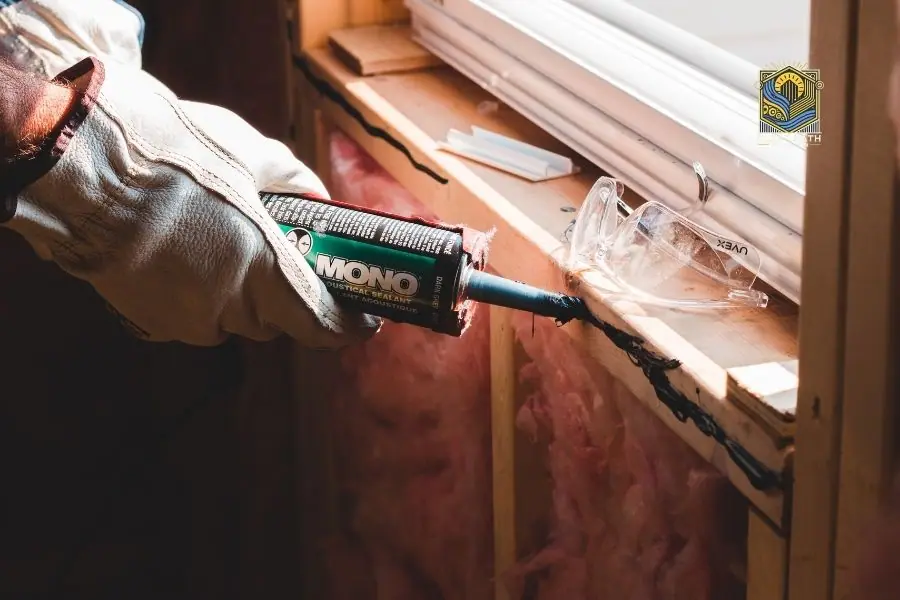
All penetrations — pipe chase openings, conduit entries, rim joist gaps — are sealed with two-component spray polyurethane foam or caulk rated for below-grade applications. Air sealing alone can reduce energy loss by 10–15% before any insulation board is insta
- 04
Vapor Retarder Installation (Half Day to 1 Day)
A minimum 10-mil polyethylene vapor retarder is mechanically fastened and taped at all seams against foundation walls where applicable, or integrated into the spray foam system where closed-cell foam is selected (closed-cell SPF is Class II vapor retarder rate
- 05
Insulation Installation (1–3 Days)
Depending on the selected method (detailed in the next section), our crew installs insulation to achieve minimum R-13 on walls and R-19 on ceilings above unconditioned spaces, meeting or exceeding California Title 24 Climate Zone 10 requirements.
- 06
Quality Inspection and Blower Door Testing (2–4 Hours)
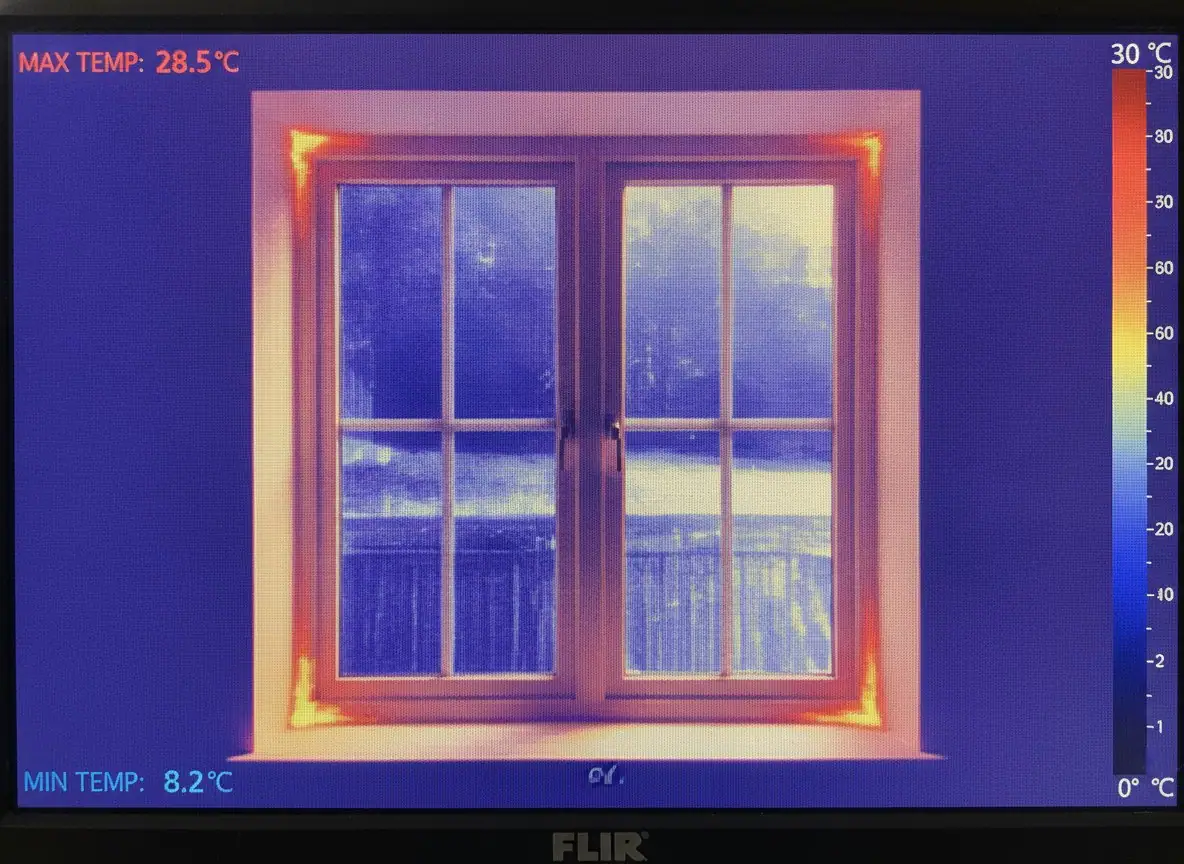
Where feasible, we perform post-installation thermal imaging and blower door testing to confirm air sealing effectiveness and identify any missed thermal bridges before walls are closed.
- 07
Cleanup and Documentation (1–2 Hours)
We remove all debris, provide a completed project report with before-and-after photos, and supply documentation suitable for Title 24 compliance records or building permit files.
Basement Insulation Methods and Approaches
Closed-Cell Spray Foam Insulation
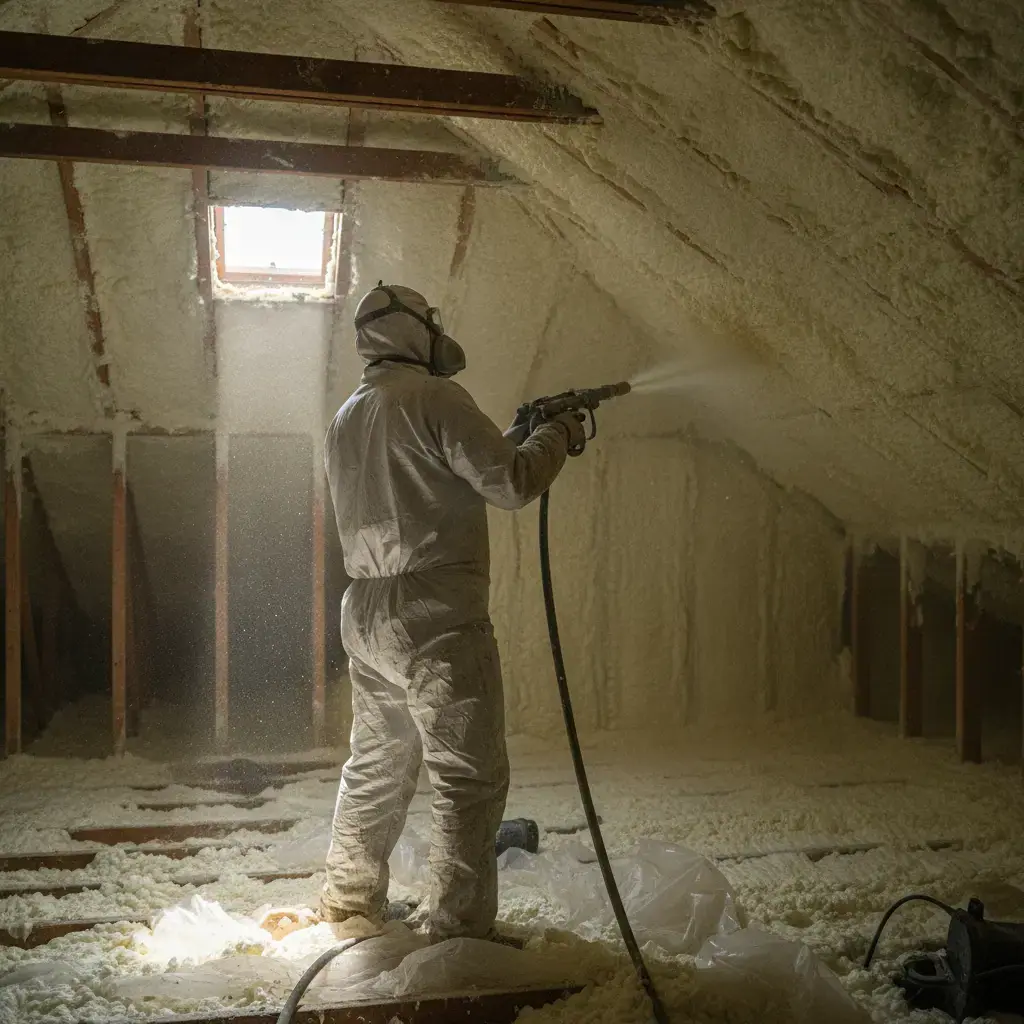
Closed-cell spray polyurethane foam (ccSPF) delivers R-6.5 to R-7 per inch, doubles as a Class II vapor retarder, and adheres directly to concrete and CMU without a framing system. This is our most recommended solution for Vernon’s industrial basements and below-grade mechanical rooms where space is at a premium. A 2-inch application achieves R-13; a 3-inch application reaches R-20. Learn more about spray foam insulation
Learn moreRigid Foam Board with Stud Wall
Extruded polystyrene (XPS) or polyisocyanurate board insulation is fastened to foundation walls, followed by a framed stud wall for finishing. This approach is ideal when below-grade space will be converted to conditioned office or production use and requires drywall finishing. Typical installation achieves R-15 to R-20 with 2–3 inches of XPS plus a fiberglass-batted stud wall.
Blown-In Insulation for Rim Joists and Cavities
Dense-pack cellulose or fiberglass blown-in insulation fills rim joist bays and irregular cavities where board or spray foam application is impractical. This method is fast, cost-effective, and well-suited to the irregularly framed rim joist assemblies common in pre-1970 Vernon structures. Learn more about blow-in insulation
Crawl Space Encapsulation
For structures with partial basements or crawl space configurations — common in older mixed-use buildings near the Vernon/Huntington Park boundary — full encapsulation with a 20-mil reinforced liner, perimeter drainage, and closed-cell foam on walls creates a conditioned or semi-conditioned crawl space that dramatically reduces moisture and energy loss. Learn more about crawl space encapsulation
Learn moreBasement Insulation Cost in Vernon, CA
Basement insulation costs in Vernon, CA vary based on basement size, current insulation condition, selected method, and site access complexity. Below are typical price ranges based on current material and labor costs in the Los Angeles County market.
Typical Cost Ranges
- Closed-Cell Spray Foam (walls only): $3.50–$5.50 per square foot installed, or $3,500–$11,000 for a 1,000–2,000 sq. ft. basement perimeter
- Rigid Foam Board + Stud Wall System: $2.50–$4.00 per square foot for materials and labor, not including drywall finishing
- Blown-In Insulation (rim joists and cavities): $1.50–$2.50 per square foot, with most rim joist projects totaling $800–$2,500
- Full Crawl Space Encapsulation: $5,000–$15,000 depending on square footage and drainage requirements
- Insulation Removal and Replacement: Add $1.00–$2.00 per square foot for removal of failed existing insulation prior to reinstallation
Read moreShow less
Factors That Affect Your Vernon Project Cost
- Height of below-grade walls (industrial buildings in Vernon frequently have 12–16 ft. clear heights, requiring scaffolding)
- Presence of asbestos-containing materials in older insulation requiring hazmat abatement before replacement
- Active moisture intrusion requiring waterproofing remediation prior to insulation
- Permit requirements under Los Angeles County Building and Safety jurisdiction for occupied commercial spaces
Southern California Edison and SoCalGas both offer rebate programs for qualifying commercial energy efficiency upgrades that may offset 10–20% of total project cost. Our team can assist with rebate documentation. Call (323) 416-2078 for a free itemized estimate. Get detailed Basement Insulation cost information
Neighborhoods We Serve Near Vernon, CA
Vernon (Primary Service Area)
Our core service area, Vernon’s pre-1980 tilt-up and CMU industrial building stock presents the most consistent demand for below-grade and rim joist insulation retrofits. We are familiar with the city’s unique permitting process through Los Angeles County Department of Building and Safety’s industry desk.
Huntington Park
Immediately south of Vernon, Huntington Park features a mix of 1920s–1950s commercial buildings along Pacific Boulevard and older residential stock with true basements — rarer in Southern California but present in this community. Many exhibit failing fiberglass batt insulation stapled to floor joists decades ago.
Commerce
East of Vernon along the 60 Freeway corridor, Commerce shares Vernon’s industrial building typology but includes more modern tilt-up construction from the 1980s and 1990s with below-grade mechanical pits and loading dock areas requiring targeted insulation upgrades.
Boyle Heights and East Los Angeles
North and northeast of Vernon, these communities contain substantial early-20th-century residential and mixed-use buildings, some with full or partial basements and chronically under-insulated crawl space configurations that we address with encapsulation and spray foam solutions. View all service areas
Basement Insulation Maintenance Tips for Vernon Property Owners
- Inspect for moisture annually (October–November): Before Vernon’s rainy season begins, walk your basement perimeter and check for efflorescence, staining, or condensation on walls and pipes. Early detection prevents insulation saturation.
- Maintain positive drainage away from the foundation: Ensure site grading slopes away from building perimeters at a minimum 6-inch drop over 10 feet, critical given Vernon’s clay-heavy soils that retain water rather than draining freely.
- Check vapor retarder integrity every 3–5 years: Look for tears, punctures, or separated seams, especially after any below-grade work by plumbers or electricians.
- Keep basement vents and air handlers clear: In mechanically ventilated below-grade spaces, blocked vents negate insulation performance by allowing uncontrolled air exchange.
- Monitor indoor humidity levels: Install a hygrometer in below-grade spaces. Readings consistently above 60% RH signal that moisture management systems need attention before insulation is compromised.
- Inspect insulation after seismic events: Even minor earthquakes can crack CMU walls and open new moisture pathways. After any event of magnitude 4.0 or greater in the Los Angeles area, inspect below-grade wall insulation for signs of displacement.
- Schedule professional re-inspection every 5–7 years: Insulation systems degrade over time. A professional assessment confirms R-value retention and identifies emerging problem areas before they become costly failures.
Why Choose Clear Path Insulation for Your Vernon Basement Project
Clear Path Insulation is a locally operated insulation contractor with deep experience in the industrial and commercial building types that define Vernon and the Southeast Los Angeles market. We understand the specific challenges of insulating pre-code CMU construction, navigating Los Angeles County permitting for commercial projects, and selecting materials that perform in Climate Zone 10’s combination of intense summer heat and seasonal moisture.
Our technicians are trained and certified in spray polyurethane foam application, blow-in systems, and crawl space encapsulation. We carry full general liability insurance and workers’ compensation coverage, protecting your property and our crew on every project.
Read moreShow less
We offer free, no-obligation on-site estimates with detailed, written scope-of-work proposals so you know exactly what you are getting before work begins. Our project documentation supports Title 24 compliance submissions and utility rebate applications.
Ready to improve your building’s energy performance and protect its structural integrity? Call (323) 416-2078 or contact us online today.
FAQ
Frequently Asked Questions: Basement Insulation in Vernon, CA
How much does basement insulation cost in Vernon, CA?
Most Vernon basement insulation projects range from $3,500 to $15,000 depending on the method, square footage, and site conditions. Closed-cell spray foam on foundation walls runs $3.50–$5.50 per square foot installed. Rigid foam board systems cost $2.50–$4.00 per square foot before finishing. We provide free detailed estimates after an on-site assessment so there are no surprises. See detailed cost information
How long does a basement insulation project take in Vernon?
Most residential-scale or small commercial basement insulation projects in Vernon complete in 1–3 days. Larger industrial below-grade spaces, or projects requiring moisture remediation first, may take 5–10 business days from start to final inspection. We provide a project timeline in writing before mobilization.
Do Vernon commercial buildings require a permit for basement insulation?
Permit requirements depend on the scope of work. Insulation-only retrofits that do not alter fire-rated assemblies or structural elements typically do not require a permit under Los Angeles County Building Code. However, projects involving new stud wall framing, electrical modifications, or changes to fire-rated corridor assemblies do require permits. We advise clients on permit requirements specific to their building type and project scope.
What is the best type of basement insulation for Vernon’s climate?
For Vernon’s combination of summer heat, moderate winter temperatures, and seasonal moisture from clay soils, closed-cell spray foam is our most recommended solution. It provides the highest R-value per inch (R-6.5 to R-7), acts as a vapor retarder, and adheres directly to concrete without requiring a separate framing system — ideal for the tight industrial spaces common in Vernon.
Can basement insulation in Vernon help with mold problems?
Yes — when paired with proper moisture remediation. Insulation alone does not stop active water intrusion. However, once moisture entry points are sealed, a properly installed closed-cell foam or encapsulation system eliminates the condensation and vapor migration that feed mold growth. We coordinate with waterproofing specialists when active intrusion is identified before insulating.
Are there energy rebates available for basement insulation in Vernon?
Yes. Southern California Edison’s Business Energy Efficiency Programs and SoCalGas’s On-Bill Financing options both offer incentives for qualifying commercial insulation upgrades. Rebate amounts vary by project scope and current program availability. We assist clients with measuring and documenting energy savings data required for rebate applications at no additional charge.
How do I know if my existing basement insulation in my Vernon building is failing?
Key indicators include visible mold or mildew, compressed or water-stained fiberglass batts, falling insulation sections, musty odors, and utility bills that have increased year-over-year without changes in occupancy or operations. A thermal imaging scan during our free assessment will confirm whether existing insulation is performing to its rated R-value.
Does Clear Path Insulation serve areas near Vernon?
Yes. In addition to Vernon, we serve Huntington Park, Commerce, Boyle Heights, East Los Angeles, Maywood, Bell, Lynwood, South Gate, Montebello, Cudahy, Florence-Graham, Downtown Los Angeles, Pico-Union, and Westlake. View our full service area
Get Your Free Basement Insulation Estimate in Vernon, CA Today
Don’t let an uninsulated or under-insulated basement drive up your energy costs and expose your Vernon property to moisture damage another season. Clear Path Insulation is ready to provide a thorough on-site evaluation and a detailed written proposal at no charge to you.
Call us now at (323) 416-2078 — our team answers calls Monday through Saturday and can typically schedule your assessment within 2 business days. You can also submit a contact form online and we will follow up within one business day.
Serving Vernon, Huntington Park, Commerce, Boyle Heights, East Los Angeles, and all surrounding Southeast Los Angeles communities. Clear Path Insulation — building a better thermal envelope for the buildings that keep Vernon working.
Get in touch
Find insulation help near you
Request a free estimate online or give us a call — our team will follow up quickly.
- Call us(323) 416-2078
- Visit5333 S Downey Rd, Vernon, CA 90058
- HoursMon-Sun 07:00-19:00