
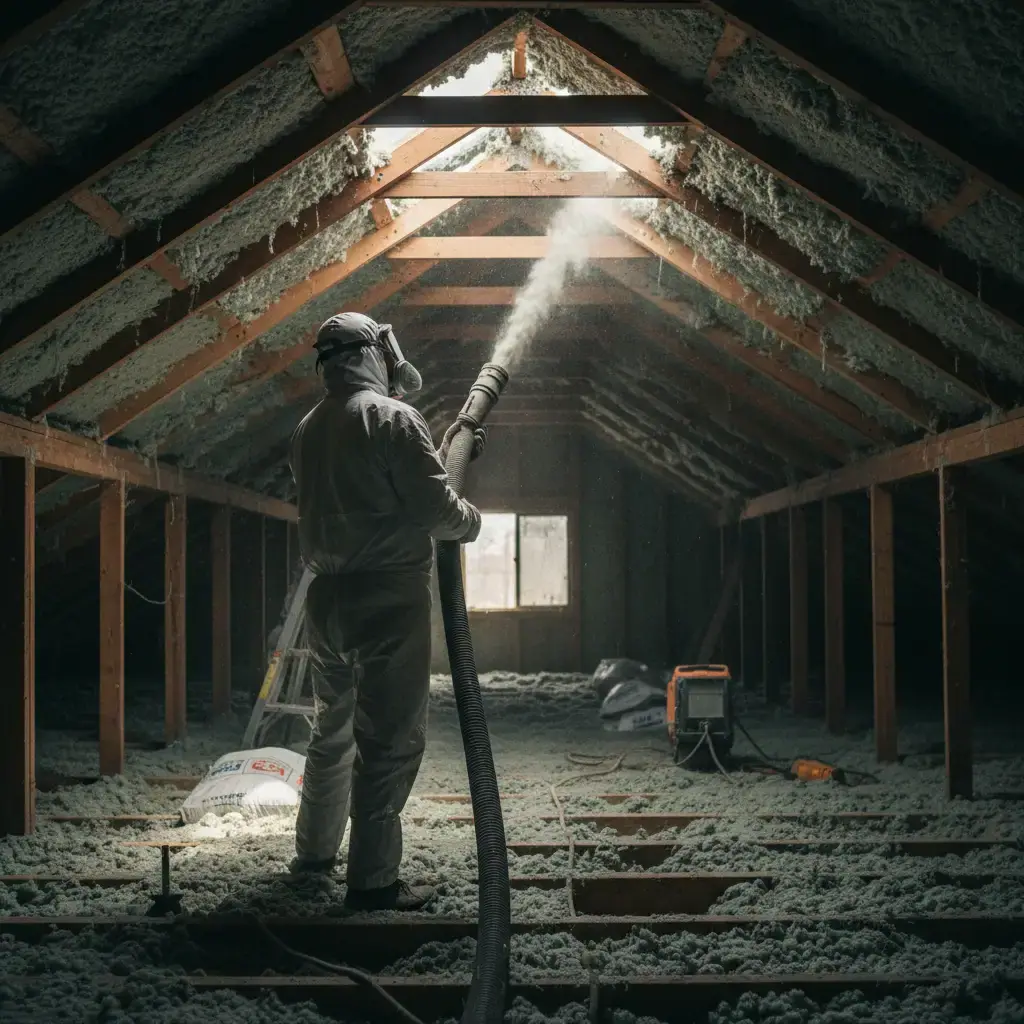
Crawl Space Insulation in Vernon, CA
Energy-Saving Crawl Space Insulation in Vernon, CA for Vernon, CA Homes — Licensed & Insured
Need crawl space insulation in Vernon, CA? Clear Path Insulation offers expert installation, vapor barriers & encapsulation. Call 323-416-2078 for a free estimate.
Crawl space insulation is the process of sealing and thermally protecting the area beneath your home’s floor structure, preventing heat loss, moisture intrusion, pest infiltration, and poor indoor air quality. For properties in Vernon, CA — a compact industrial city in Los Angeles County — crawl space conditions are shaped by the region’s Mediterranean climate, aging building stock, and proximity to the Los Angeles River flood corridor, all of which accelerate insulation degradation and moisture-related damage.
At Clear Path Insulation, we specialize in professional crawl space insulation services tailored specifically to the structural and environmental demands of Vernon and the surrounding Southeast Los Angeles communities. Whether you’re managing a commercial facility, multi-unit residential property, or single-family home, our team delivers expert-grade insulation solutions designed to reduce energy costs, improve comfort, and protect your property’s structural integrity. Call us today at 323-416-2078 to schedule your free crawl space assessment.
Understanding Crawl Space Insulation
A crawl space is the shallow, unfinished area beneath a building’s floor that provides access to plumbing, electrical systems, and structural components. In older California construction — particularly homes and light industrial buildings built before the 1980s — crawl spaces were often left uninsulated or minimally treated, relying on passive ventilation to manage moisture. This approach has proven inadequate in Southern California’s increasingly variable climate conditions.
Crawl space insulation works in two primary ways: insulating the floor joists above (the “vented crawl space” approach) or encapsulating the entire crawl space by sealing the walls and floor with a vapor barrier and insulating the perimeter walls (the “encapsulated” or “conditioned” approach). Each method addresses different performance goals — from basic thermal efficiency to comprehensive moisture control.
Read moreShow less
Historically, crawl spaces in Southern California received little attention because the mild climate made extreme cold less of a concern. However, energy code updates through California’s Title 24 Building Energy Efficiency Standards have progressively raised the minimum insulation requirements for floor assemblies. Title 24 mandates that floor systems over unconditioned crawl spaces meet specific R-value thresholds — typically R-19 or higher for Climate Zone 9, which covers Vernon and much of Los Angeles County.
Vernon’s building inventory reflects its unique status as one of California’s smallest and most industrialized cities. While predominantly commercial and light-industrial in character, the city does contain a number of older residential and mixed-use structures, many built between the 1920s and 1960s, when crawl space construction was the dominant foundation method in this part of Los Angeles County. These older structures are especially vulnerable to deteriorated or missing insulation, collapsed vapor barriers, and moisture-driven wood rot beneath the floor structure.
Modern crawl space insulation not only improves energy performance but also significantly reduces the risk of mold growth, wood decay, pest intrusion, and poor indoor air quality caused by the “stack effect,” where unconditioned air from the crawl space migrates upward into living and working spaces.
Why Crawl Space Insulation Is Needed in Vernon, CA
Mediterranean Climate With Significant Thermal Swings
Vernon sits within NOAA Climate Zone 9 and experiences summer highs that regularly reach 95°F to 100°F between July and September, combined with winter overnight lows that can drop into the high 30s°F from December through February. This daily and seasonal temperature cycling causes wood framing and existing insulation materials to expand and contract repeatedly, accelerating material fatigue. Fiberglass batts installed beneath floor joists are especially vulnerable to falling loose due to this repeated movement, leaving floors unprotected and energy bills elevated.
Los Angeles River Proximity and Groundwater Moisture
Vernon is bordered on its eastern edge by the Los Angeles River channel. Despite flood control improvements made following the catastrophic 1938 Los Angeles Flood, the area maintains elevated groundwater tables and significant soil moisture in certain zones — particularly in the lower-lying industrial corridor between Alameda Street and the river. Soils in this area include heavy clay and alluvial deposits from the river’s historic floodplain, which retain moisture and allow it to wick upward beneath slabs and into crawl spaces through capillary action. Without a properly installed vapor barrier and perimeter insulation, this persistent ground moisture fuels mold growth, wood rot, and elevated humidity levels that can measure 70% to 85% relative humidity in uninspected crawl spaces — well above the 50% threshold at which mold colonies actively develop.
Aging Building Stock and Deteriorated Original Insulation
A significant portion of Vernon’s older residential and commercial structures date to the post-World War II industrial boom of the 1940s and 1950s. Buildings of this era were constructed with fiberglass batts or, in some cases, no crawl space insulation at all. After 60 to 80 years of exposure, original insulation materials are frequently compressed, water-damaged, contaminated with rodent nesting material, or entirely absent. In many cases, inspections reveal that 40% to 60% of the original insulation has either fallen from the joist bays or deteriorated to an effective R-value near zero.
Urban Heat Island Effect
Vernon’s highly industrialized landscape — characterized by extensive paved surfaces, warehouse rooftops, and minimal tree canopy — contributes to a pronounced urban heat island effect. Surface temperatures in Vernon’s industrial core can run 8°F to 12°F higher than surrounding residential communities during summer months. This amplified ground-level heat increases thermal load on crawl space assemblies and accelerates the breakdown of vapor barriers and insulation facings not rated for high-temperature environments.
Rodent and Pest Pressure
Vernon’s location adjacent to food processing facilities, warehousing, and distribution centers creates elevated rodent pressure throughout the city. Rats and mice routinely nest in crawl spaces, destroying fiberglass insulation and compromising vapor barriers. These infestations are a primary driver of insulation removal and replacement calls we receive from Vernon property owners.
Free, no-obligation estimates
Talk to Clear Path Insulation
Tell us what you need and we’ll take it from there.
Signs You Need Crawl Space Insulation in Vernon
Energy and Comfort Indicators
- Floors feel unusually cold in winter or warm in summer despite running HVAC systems
- Noticeable drafts at floor level in rooms above the crawl space
- Energy bills that have increased 15% or more year-over-year without changes in usage
- Uneven temperatures between rooms on the ground floor
Moisture and Structural Warning Signs
- Musty odors in living or working spaces, especially after rain
- Visible mold or mildew on floor joists, subflooring, or crawl space walls
- Wood flooring that warps, buckles, or develops soft spots
- Condensation on pipes or ductwork in the crawl space
- Standing water or saturated soil visible beneath the building
Pest and Physical Damage Indicators
- Evidence of rodent activity including droppings, nesting material, or gnaw marks
- Insulation hanging loose from joist bays or piled on the crawl space floor
- Torn or missing vapor barrier sections
- Visible pest entry points at the crawl space perimeter
Urgency Note: If you observe standing water, active mold growth, or structural wood damage, contact Clear Path Insulation immediately at 323-416-2078. These conditions require prompt professional intervention to prevent escalating property damage.
Our process
Our Crawl Space Insulation Process in Vernon
- 01
Free On-Site Crawl Space Inspection (Day 1 — 1 to 2 Hours)
Our technician performs a thorough inspection of your crawl space, documenting existing insulation condition, moisture readings, pest evidence, vapor barrier status, and structural concerns. We use a calibrated digital hygrometer to measure relative humidity a
- 02
Detailed Proposal and Material Selection (Day 1 to Day 3)
Based on inspection findings, we provide a written scope of work with itemized pricing, recommended insulation method, R-value targets, and estimated energy savings. We explain all material options including fiberglass batts, spray foam, and rigid foam board,
- 03
Insulation Removal and Debris Clearance (Day of Service — 2 to 4 Hours)
If existing insulation is damaged, contaminated, or non-compliant, our crew safely removes and bags all material using HEPA-equipped vacuum systems and protective equipment. This step is essential for Vernon properties with rodent contamination history, as dis
- 04
Vapor Barrier Installation (2 to 3 Hours)
We install a minimum 6-mil polyethylene vapor barrier — or a 12-mil reinforced barrier for higher-moisture zones near Vernon’s river-adjacent properties — covering the entire crawl space floor and lapping up the perimeter walls. Seams are overlapped a minimum
- 05
Air Sealing and Pest Exclusion (1 to 2 Hours)
All penetrations, vents, and gaps at the crawl space perimeter are sealed with spray foam or wire mesh to eliminate pest entry points and prevent conditioned air from escaping. This step is integrated with our rodent proofing services when evidence of infestat
- 06
Insulation Installation (2 to 4 Hours)
Our crew installs the selected insulation material to the specified R-value, ensuring complete coverage with no gaps, compressions, or voids. All work is inspected in real time by a lead technician before the crawl space is closed.
- 07
Final Walkthrough and Documentation (30 Minutes)
We walk you through completed work with photos, confirm material specifications, and provide care and maintenance recommendations specific to Vernon’s climate conditions.
Crawl Space Insulation Methods and Approaches
Fiberglass Batt Insulation (Vented Crawl Space Method)
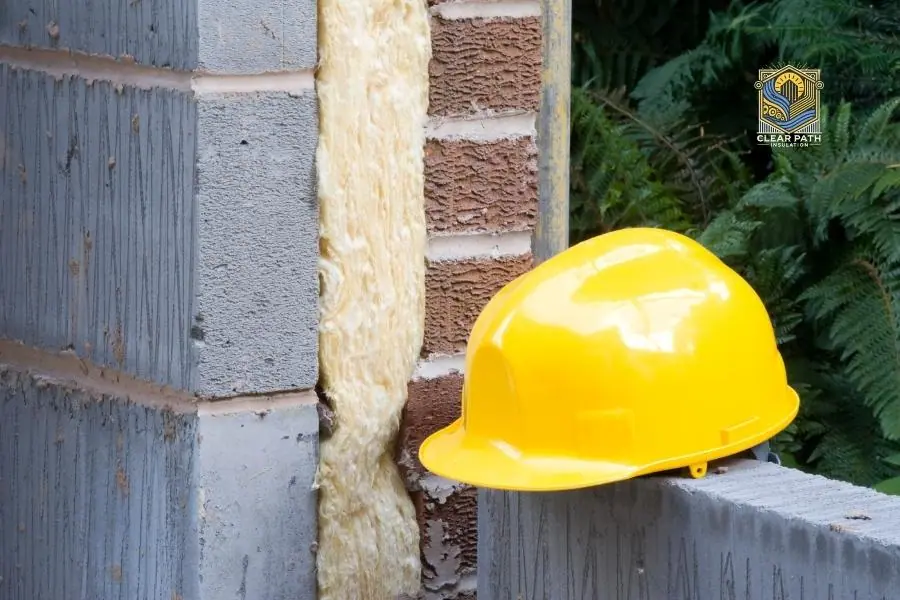
Fiberglass batts are installed between floor joists to achieve R-19 or R-30 insulation levels in vented crawl space configurations. This is the most common and cost-effective approach for Vernon properties with dry, well-ventilated crawl spaces and minimal moisture concerns. Batts must be installed facing-up against the subfloor and secured with wire hangers or insulation supports to prevent sagging. Learn more about fiberglass insulation
Spray Foam Insulation (Encapsulated Crawl Space Method)
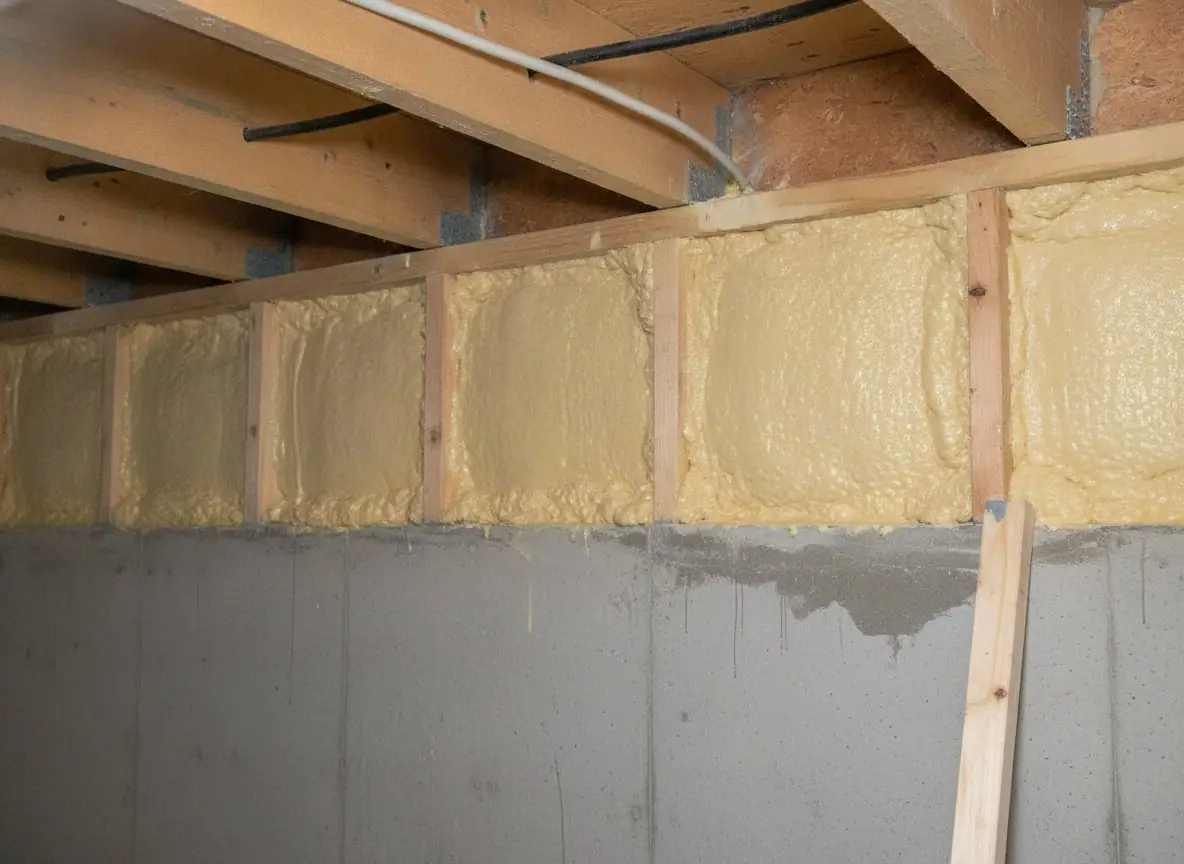
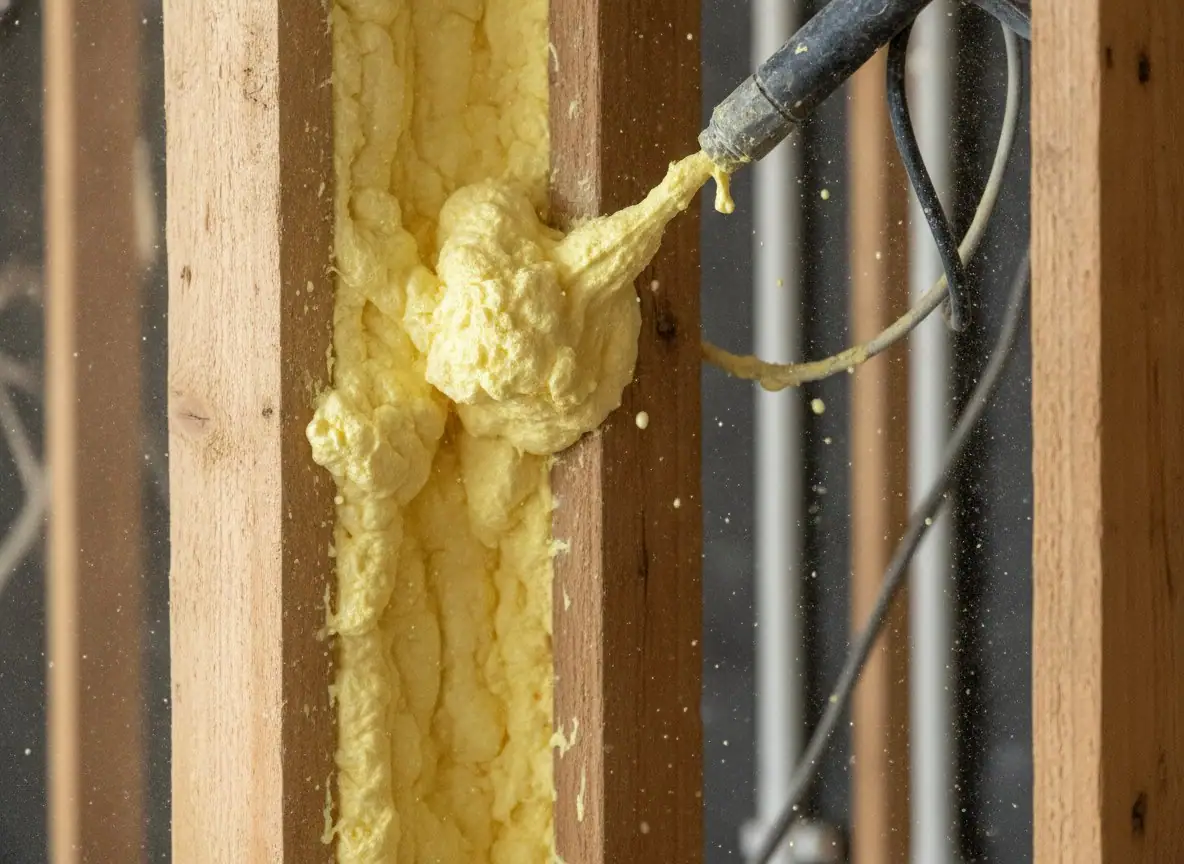
Closed-cell spray polyurethane foam applied to crawl space perimeter walls and rim joists creates a fully conditioned crawl space that eliminates moisture migration, eliminates thermal bridging, and achieves R-values of R-6 to R-7 per inch. This is the preferred solution for Vernon properties near the Los Angeles River corridor where groundwater moisture is a persistent challenge. Explore spray foam insulation options
Learn moreRigid Foam Board Insulation
Extruded polystyrene (XPS) or polyisocyanurate boards installed on crawl space walls provide excellent moisture resistance and high R-values in a thin profile. Ideal for properties with limited clearance heights and moderate moisture exposure. Achieves R-10 to R-25 depending on thickness and material choice.
Blown-In Insulation
Cellulose or fiberglass blown-in insulation can be applied over existing crawl space floors in certain encapsulated configurations. Particularly effective for filling irregular joist bays in older Vernon buildings where batt insulation cannot achieve complete coverage. Learn about blown-in insulation
Crawl Space Insulation Cost in Vernon, CA
Understanding the cost of crawl space insulation helps Vernon property owners budget accurately and evaluate contractor proposals. The following ranges reflect current material and labor costs in the Los Angeles County market.
Typical Cost Ranges
- Fiberglass Batt Insulation: $1.50 to $3.00 per square foot installed, or $1,500 to $4,500 for a typical 1,000 to 1,500 sq ft crawl space
- Spray Foam Insulation (perimeter walls): $3.00 to $7.00 per square foot installed, with full encapsulation projects ranging from $3,000 to $8,000 depending on crawl space size and foam depth
- Vapor Barrier Installation (standalone): $0.50 to $1.50 per square foot, or $500 to $2,500 for most projects
- Insulation Removal (prior to new installation): $1.00 to $2.50 per square foot, adding $1,000 to $3,500 to total project cost depending on contamination level
- Complete Crawl Space Encapsulation (all-inclusive): $5,000 to $15,000 for comprehensive projects including removal, vapor barrier, foam insulation, air sealing, and pest exclusion
Read moreShow less
Key Cost Factors in Vernon
- Crawl space height and accessibility — lower clearances require additional labor time
- Degree of existing damage, mold remediation needs, or pest contamination
- Proximity to moisture sources (Los Angeles River corridor adds moisture management requirements)
- Local permit requirements for encapsulation projects
- California Title 24 compliance upgrades required for permitted work
Contact us at 323-416-2078 for a free, no-obligation estimate specific to your Vernon property’s crawl space dimensions and condition.
Vernon Neighborhoods and Service Areas We Serve
East Vernon (River-Adjacent Industrial and Residential Zone)
Properties along Fruitland Avenue and Bandini Boulevard closest to the Los Angeles River face the highest moisture pressure. Structures in this zone — many dating to the 1930s through 1950s — frequently present with saturated vapor barriers, mold-affected floor joists, and collapsed insulation requiring full replacement.
Central Vernon (Alameda Corridor)
The central district along Alameda Street contains a concentration of older warehouse and light manufacturing facilities, some of which include attached residential or office space with crawl space foundations. These mixed-use structures often have non-uniform crawl space dimensions that require custom insulation approaches.
South Vernon (District Boulevard Industrial Park Area)
Newer industrial construction in the District Boulevard corridor tends to feature slab-on-grade foundations, but older support structures and ancillary buildings in this area still contain crawl spaces that benefit from encapsulation and rodent proofing services.
We also serve immediately adjacent communities including Maywood, Huntington Park, Commerce, and Bell. View all service areas
Crawl Space Insulation Maintenance Tips for Vernon Properties
Proper maintenance extends the life of your crawl space insulation investment and keeps your property protected year-round in Vernon’s demanding climate.
- Inspect annually after the rainy season (February–March): Winter rains in Los Angeles can introduce moisture into crawl spaces. A post-rainy season inspection catches problems early before mold has time to establish.
- Check vapor barrier integrity every 2 to 3 years: Foot traffic during plumbing or electrical work can puncture barriers. Patch any tears with moisture-resistant tape immediately.
- Monitor crawl space humidity levels: Install a digital hygrometer inside the crawl space and check readings quarterly. Humidity above 55% warrants investigation and possible additional ventilation or encapsulation.
- Clear crawl space vents of debris seasonally: Pests, leaves, and urban debris can block vents in Vernon’s industrial environment, restricting airflow in vented crawl space systems.
- Inspect pest exclusion points annually: Vernon’s high rodent pressure means entry point seals should be checked every fall before rodents seek winter shelter.
- Check insulation for sagging or displacement: Fiberglass batts can fall loose from joist bays due to thermal cycling. Re-hang displaced batts promptly to maintain R-value performance.
- Address plumbing leaks immediately: Any plumbing leak in the crawl space should be repaired and the affected insulation replaced within 48 hours to prevent mold colonization.
Why Choose Clear Path Insulation for Your Vernon Crawl Space Project
Clear Path Insulation is a professional insulation contractor with deep experience serving the Southeast Los Angeles industrial and residential market. Our technicians understand the specific building types, moisture conditions, and pest pressures that define Vernon’s crawl space environment — from river-adjacent properties on Fruitland Avenue to aging industrial structures in the Alameda Corridor.
We bring the right tools, materials, and knowledge to every project, including thermal imaging diagnostics, calibrated moisture measurement, and California Title 24-compliant installation practices. Our team is fully trained in safe insulation removal procedures, including projects involving rodent contamination, ensuring your property is treated with the highest standard of care.
Read moreShow less
We offer transparent, itemized pricing with no hidden fees, and we work efficiently to minimize disruption to your operations or daily routine. Our full-service capabilities include attic insulation, attic cleaning, rodent proofing, and insulation removal, allowing us to address every aspect of your building’s insulation system in a single relationship.
Call 323-416-2078 to speak with a Vernon crawl space insulation expert today.
FAQ
Frequently Asked Questions About Crawl Space Insulation in Vernon, CA
How much does crawl space insulation cost in Vernon, CA?
Costs in Vernon typically range from $1,500 to $15,000 depending on project scope. Basic fiberglass batt installation runs $1,500 to $4,500 for a standard-sized crawl space. Full encapsulation with spray foam, vapor barrier, and pest exclusion can range from $5,000 to $15,000. We provide free on-site estimates with no obligation.
How long does crawl space insulation installation take in Vernon?
Most crawl space insulation projects in Vernon are completed in a single day — typically 4 to 8 hours. Larger encapsulation projects or those requiring extensive insulation removal and mold remediation may take 1 to 2 days. We work efficiently to minimize disruption to your property.
Does Vernon, CA require permits for crawl space insulation?
Basic insulation replacement without structural changes typically does not require a permit in Vernon. However, full crawl space encapsulation that converts a vented crawl space to a conditioned space may require a permit and must comply with California Title 24 energy standards. We help clients navigate local permitting requirements as part of our service.
What R-value is required for crawl space insulation in Vernon?
Vernon falls within California Climate Zone 9. Under Title 24 2022 standards, floor assemblies over unconditioned crawl spaces typically require a minimum of R-19 insulation in the joist bays. For encapsulated crawl spaces, the perimeter wall insulation must meet R-7.5 continuous or equivalent. We ensure all installations meet or exceed current code requirements.
Is crawl space insulation effective in Vernon’s climate?
Yes — Vernon’s combination of hot summers, cool winters, and elevated ground moisture from the Los Angeles River corridor makes crawl space insulation particularly effective. Properly insulated crawl spaces in Vernon can reduce floor-level heating and cooling loads by 10% to 25% and significantly reduce moisture-driven damage to floor structures.
How do I know if my crawl space insulation has been damaged by rodents?
Warning signs include musty odors, visible droppings in or around the crawl space access, soft or discolored floor areas, and insulation that has fallen from joist bays. Given Vernon’s proximity to food processing and warehousing facilities, rodent damage to crawl space insulation is among the most common issues we address in this area. Learn about our rodent proofing services
Can I insulate my crawl space myself in Vernon?
While DIY insulation is technically possible, crawl spaces in Vernon’s older building stock often present safety challenges including confined spaces, potential mold exposure, pest contamination, and asbestos in pre-1980 structures. Professional installation ensures safe handling of hazardous materials, correct vapor barrier installation, and California Title 24 compliance — all of which protect your investment and your health.
How often should crawl space insulation be replaced in Vernon?
Well-installed fiberglass batt insulation in a dry, pest-free crawl space can last 20 to 30 years. However, Vernon’s moisture conditions and high rodent pressure mean that insulation in many properties needs evaluation every 10 to 15 years. We recommend annual inspections and immediate evaluation if you notice any of the warning signs described on this page.
Get Your Free Crawl Space Insulation Estimate in Vernon, CA
Don’t let a poorly insulated crawl space drive up your energy costs, compromise your indoor air quality, or allow moisture and pests to damage your property’s structure. Clear Path Insulation is ready to assess your Vernon property and deliver a professional crawl space insulation solution tailored to your building’s specific needs.
Our team serves all of Vernon and the surrounding Southeast Los Angeles communities with fast scheduling, transparent pricing, and expert-grade installation. Whether you need a basic batt replacement or a complete crawl space encapsulation, we have the materials, equipment, and expertise to get the job done right.
Call us today at 323-416-2078 to schedule your free, no-obligation crawl space inspection. We’re ready to help you protect your Vernon property from the ground up.
Get in touch
Find insulation help near you
Request a free estimate online or give us a call — our team will follow up quickly.
- Call us(323) 416-2078
- Visit5333 S Downey Rd, Vernon, CA 90058
- HoursMon-Sun 07:00-19:00