
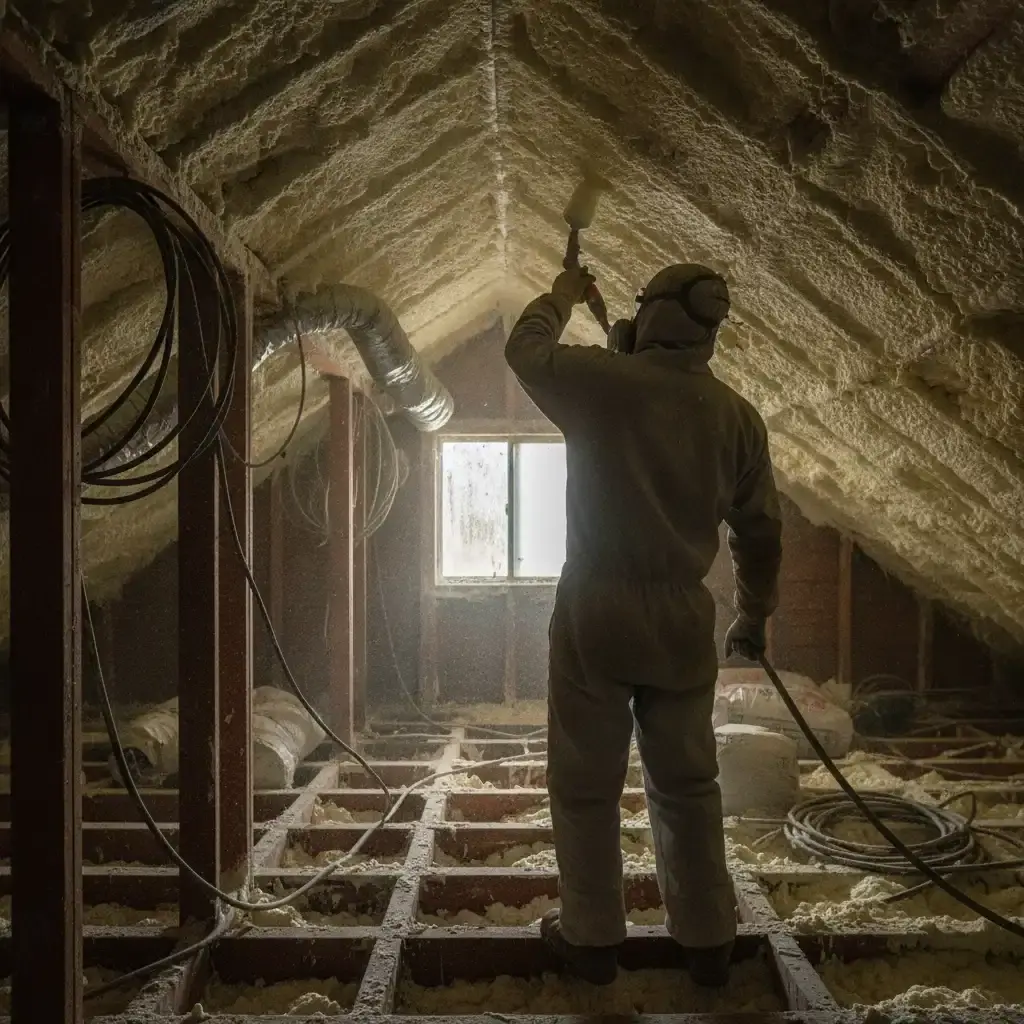
Roof Insulation in Vernon, CA
Expert Roof Insulation in Vernon, CA — Storm-Tested, Warranty-Backed
Need roof insulation in Vernon, CA? Clear Path Insulation offers spray foam, blown-in & rigid board solutions for Vernon’s industrial buildings. Call (323) 416-2078.
Roof insulation is the thermal and moisture barrier installed between your building’s interior and its roofing structure, designed to regulate indoor temperatures, reduce energy consumption, and protect structural components from heat and humidity damage. In Vernon, CA — a densely industrial city covering just over 5 square miles in Los Angeles County — roof insulation is not a luxury but a practical necessity driven by the region’s intense summer heat, aging commercial building stock, and proximity to urban heat island conditions generated by surrounding industrial operations.
Clear Path Insulation specializes in professional roof insulation services tailored specifically to Vernon’s unique climate demands and building types. Whether you manage a warehouse, manufacturing facility, or commercial property in Vernon, our team delivers code-compliant, energy-efficient insulation solutions that lower utility costs and improve working conditions year-round. Call us today at (323) 416-2078 to schedule your free assessment.
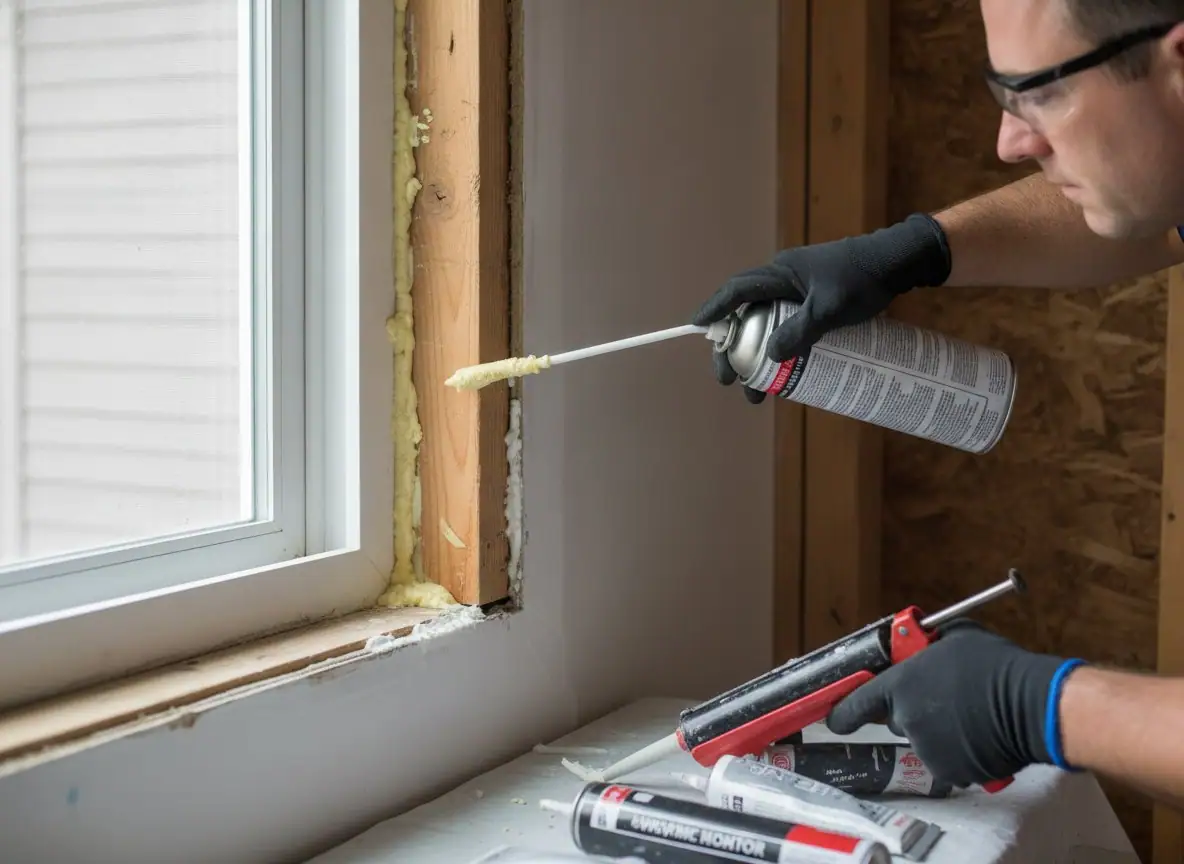
Understanding Roof Insulation
Roof insulation refers to a category of materials and systems installed at the roofline or within the attic cavity of a structure to slow the transfer of heat between the interior and exterior environments. The fundamental science behind roof insulation is thermal resistance, commonly measured as R-value — the higher the R-value, the more effective the material is at resisting heat flow. California’s Title 24 Energy Code mandates minimum R-values for commercial and residential roofs, with climate zone requirements that directly apply to Vernon and its surrounding communities in Climate Zone 9.
Historically, many of Vernon’s industrial and commercial buildings were constructed between the 1920s and 1970s — an era when energy efficiency standards were minimal or nonexistent. Many of these structures were built with metal roofing, single-ply membranes, or built-up roofing systems that offer virtually no inherent thermal resistance. As Los Angeles County’s industrial hub, Vernon’s buildings were prioritized for production capacity rather than occupant comfort or energy efficiency, leaving a massive legacy of under-insulated roofs across the city’s warehouses, food processing facilities, and manufacturing plants.
Read moreShow less
Modern roof insulation options have evolved considerably, ranging from rigid foam board systems and spray polyurethane foam (SPF) to blown-in cellulose and fiberglass batts. Each material carries distinct advantages based on building type, roof configuration, existing structural conditions, and budget. For Vernon’s predominantly flat commercial roofs — common on its warehouses and distribution centers — spray foam insulation applied directly beneath the roof deck or above the membrane has become the gold standard due to its seamless air-sealing properties and high R-value per inch.
Proper roof insulation also plays a critical role in moisture management. Vernon’s location within the Los Angeles Basin means it experiences marine layer intrusion in spring and early summer — a phenomenon locals call “June Gloom” — which can introduce significant moisture into unprotected roof cavities. Without proper vapor control, condensation can accumulate on metal roof decking, leading to rust, mold growth, and structural decay over time. A correctly installed roof insulation system addresses both thermal and moisture control simultaneously.
Why Roof Insulation Is Needed in Vernon, CA
Extreme Summer Heat and the Urban Heat Island Effect
Vernon sits in the southeastern portion of the Los Angeles Basin, surrounded by paved surfaces, industrial machinery, and low-vegetation environments. This configuration accelerates the urban heat island (UHI) effect, where surface temperatures can run 8°F to 15°F higher than nearby vegetated areas like Griffith Park. During summer heat events — such as the September 2020 heat wave that pushed ambient temperatures in the Vernon area past 110°F — uninsulated or under-insulated metal roofs can reach surface temperatures exceeding 170°F. These conditions drive radiant heat directly into occupied spaces below, forcing HVAC systems to work at maximum capacity and dramatically increasing electricity costs under Southern California Edison’s commercial rate structures.
Aging Building Stock and Code Deficiencies
The majority of Vernon’s commercial and industrial building inventory predates California’s first meaningful energy codes. Title 24, California’s energy efficiency standard for buildings, was first adopted in 1978 and has been updated over a dozen times since. Buildings constructed before 1978 — which constitute a significant portion of Vernon’s industrial corridor along Bandini Boulevard, Soto Street, and Fruitland Avenue — were never required to meet any insulation standard. Many of these structures have R-0 or R-3 roof assemblies at best, far below the current Title 24 requirement of R-19 to R-25 for commercial roofs in Climate Zone 9.
Energy Cost Pressures from SCE Commercial Rates
Commercial and industrial customers in Vernon served by Southern California Edison face tiered demand charges that can make peak summer cooling costs punishing. Facilities with poor roof insulation experience “cooling load spikes” during peak afternoon hours — typically between 2 PM and 7 PM — when solar gain through uninsulated roofs is at its highest. Upgrading roof insulation to current Title 24 standards can reduce cooling loads by 25% to 40%, translating to measurable reductions in both energy consumption (kWh) and demand charges (kW).
Proximity to Industrial Heat Sources
Vernon hosts over 1,800 businesses, including food processing plants, cold storage facilities, metal fabrication shops, and chemical manufacturers. Many of these operations generate significant process heat that, when combined with solar gain through uninsulated roofs, creates interior temperatures that are unsafe for workers and damaging to temperature-sensitive inventory. Neighborhoods directly adjacent to Vernon’s industrial core — including Maywood to the south and Commerce to the east — face similar challenges in commercial buildings near shared industrial corridors.
June Gloom Moisture Intrusion
Vernon’s location approximately 10 miles from the Pacific Ocean makes it susceptible to the marine layer that blankets the Los Angeles Basin from May through July each year. This moisture-laden air can infiltrate roof cavities lacking proper vapor barriers, particularly in older buildings with deteriorating built-up roofing. Without adequate insulation and vapor control, condensation forms on cool metal roof decks overnight and dries improperly during humid morning hours, accelerating corrosion and biological growth.
Free, no-obligation estimates
Talk to Clear Path Insulation
Tell us what you need and we’ll take it from there.
Signs You Need Roof Insulation in Vernon
Temperature and Comfort Indicators
- Interior temperatures regularly exceed 85°F to 90°F in summer despite functioning HVAC
- Noticeable temperature variance between floor level and 8–10 feet above the floor in warehouse spaces
- Upper-floor offices or mezzanine areas feel significantly hotter than ground-level spaces
- Cooling systems run continuously during peak hours without achieving set temperatures
Energy and Utility Warning Signs
- Summer electricity bills that are 30% or more higher than the previous year without corresponding production increases
- Southern California Edison demand charge alerts during summer months
- HVAC equipment cycling on and off more frequently than normal
Structural and Moisture Symptoms
- Water stains or rust streaks on interior ceiling surfaces or exposed metal decking
- Visible mold or musty odors near roof penetrations or along perimeter walls
- Buckling, sagging, or discolored ceiling tiles in climate-controlled spaces
- Frost or condensation on interior roof surfaces during winter mornings
Urgency Indicators
If your building shows active moisture intrusion, visible mold, or structural deck corrosion, treat roof insulation replacement as an urgent matter. Delaying remediation in Vernon’s climate allows moisture damage to compound rapidly during June Gloom season, potentially requiring costly structural repairs alongside insulation work.
Our process
Our Roof Insulation Process
- 01
Initial Roof Assessment and Thermal Imaging (Day 1)
Our crew arrives at your Vernon property and conducts a comprehensive visual inspection of your roof assembly, both from above and from any accessible interior space. We use thermal imaging cameras to identify heat loss zones, moisture pockets, and areas of fa
- 02
Moisture Testing and Structural Evaluation (Day 1–2)
We use non-invasive moisture meters to test roof decking and any existing insulation for moisture content. This is critical in Vernon, where older built-up roof systems often trap moisture beneath layers of felt and aggregate. Any areas with moisture readings
- 03
Insulation Removal and Surface Preparation (Day 2–3)
Compromised or outdated insulation is safely removed using HEPA-rated vacuum equipment for blown materials or manual extraction for rigid board systems. Learn more about our insulation removal services for details on our containment and disposal process. Roof
- 04
Insulation Installation (Day 3–5)
Depending on the chosen method — spray foam, rigid board, or blown-in — our certified installers apply insulation to achieve the specified R-value. For Vernon’s Climate Zone 9 commercial roofs, we typically target R-25 or higher to exceed Title 24 minimums and
- 05
Air and Vapor Barrier Application (Day 4–5)
Where required by the building design or local code, we install vapor retarders or air barriers to prevent moisture migration into the insulation assembly — particularly important given Vernon’s marine layer exposure from May through July.
- 06
Quality Inspection and Documentation (Day 5–6)
We conduct a final thermal scan and physical inspection to confirm uniform coverage, proper thickness, and absence of voids or gaps. We provide a written completion report with before-and-after thermal images, installed R-value documentation, and product data
- 07
Post-Installation Follow-Up (30 Days Later)
We schedule a brief follow-up call or site visit 30 days after installation to confirm performance and address any questions about your new system’s maintenance requirements.
Roof Insulation Methods We Use in Vernon
Spray Foam Insulation (SPF)
Spray polyurethane foam is our most recommended solution for Vernon’s flat commercial and industrial roofs. Applied as a liquid that expands into a rigid foam, SPF creates a seamless, monolithic insulation layer that simultaneously acts as an air barrier and vapor retarder. Closed-cell SPF achieves R-6 to R-7 per inch, meaning a 4-inch application delivers R-24 to R-28 — meeting or exceeding Title 24 requirements in a single layer. Explore our spray foam insulation services for more technical details.
Blown-In Insulation
For Vernon buildings with accessible attic cavities — found in some older office-warehouse hybrids and converted structures — blown-in fiberglass or cellulose insulation offers a cost-effective way to increase R-value quickly. This method is ideal for filling irregular cavities around ductwork, structural members, and roof penetrations. Learn about our blow-in insulation options to see if this approach fits your property.
Attic Insulation
Some Vernon commercial buildings with drop ceilings or built-up attic spaces benefit from dedicated attic insulation installation. This approach addresses thermal bridging through the ceiling plane rather than the roof deck itself, and is particularly effective in office areas attached to larger warehouse facilities.
Learn moreRigid Board Insulation
Polyisocyanurate (polyiso) and extruded polystyrene (XPS) rigid boards are used in re-roofing projects where insulation is installed above the roof deck before a new membrane is applied. This method is common during planned roof replacements and delivers R-6 per inch for polyiso, making it efficient for achieving high R-values in limited-depth applications.
Insulation Replacement
For buildings with failed, water-damaged, or code-deficient existing insulation, insulation replacement combines removal and reinstallation into a streamlined single project, minimizing operational disruption for active Vernon facilities.
Roof Insulation Cost in Vernon, CA
Understanding cost expectations helps Vernon property owners budget accurately and evaluate proposals from insulation contractors. Pricing varies based on insulation type, building size, existing conditions, and access complexity.
Typical Cost Ranges
- Spray Foam Insulation: $1.50 to $3.50 per square foot for open-cell; $2.00 to $5.00 per square foot for closed-cell, depending on thickness and access conditions
- Blown-In Insulation: $1.00 to $2.50 per square foot, depending on target R-value and material type (fiberglass vs. cellulose)
- Rigid Board Insulation: $1.50 to $4.00 per square foot installed, plus any associated re-roofing costs if installed above the deck
- Insulation Removal: $0.75 to $2.00 per square foot, with higher costs for contaminated or compacted materials in older Vernon buildings
Read moreShow less
Factors That Affect Roof Insulation Cost in Vernon
- Building Size: Most Vernon warehouses and industrial facilities range from 5,000 to 100,000 square feet. Larger projects benefit from per-square-foot economies of scale.
- Existing Roof Condition: Moisture damage, corroded decking, or multiple layers of old insulation requiring removal increase project costs.
- Roof Access: Buildings with limited rooftop access or complex penetration patterns (HVAC curbs, skylights, exhaust vents) require additional labor time.
- Local Permitting: Los Angeles County and the City of Vernon may require permits for commercial insulation projects exceeding certain scopes, adding $500 to $2,000 in permit fees.
- Material Lead Times: Supply chain conditions in the greater Los Angeles area can affect material availability and pricing for large-volume spray foam projects.
Call us at (323) 416-2078 for a free, no-obligation estimate specific to your Vernon property. We provide detailed written quotes with line-item breakdowns so you can compare accurately.
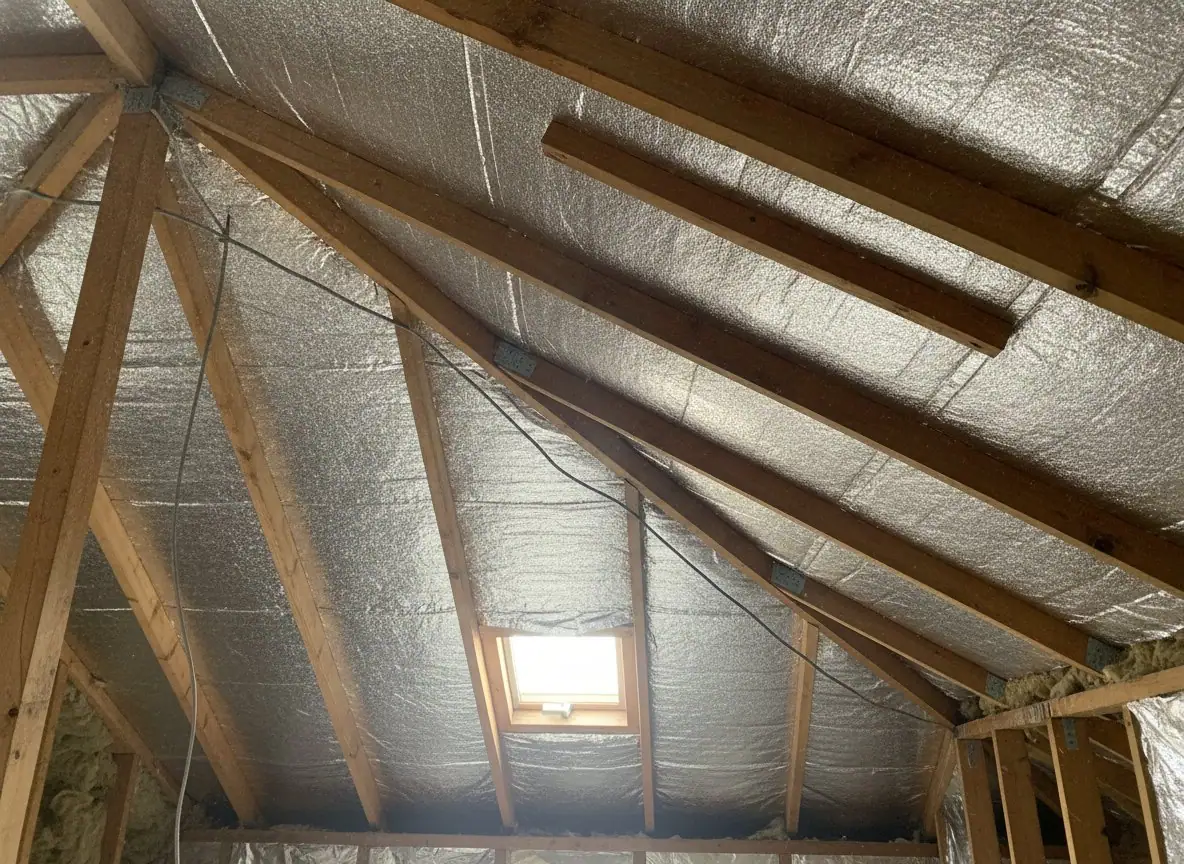
Neighborhoods We Serve Near Vernon, CA
Maywood
Directly south of Vernon, Maywood is a densely developed residential and light-commercial community with a significant number of 1940s and 1950s wood-frame structures. These buildings often have shallow attic cavities with original fiberglass batts that have degraded below R-11 over decades. Our attic insulation and blown-in insulation services are popular choices here.
Commerce
To the east of Vernon along Washington Boulevard and Slauson Avenue, Commerce hosts a mix of retail, distribution centers, and light manufacturing. Many mid-century commercial buildings in Commerce have flat roofs with either no insulation or failing rigid board systems that require full replacement.
Huntington Park
South of Vernon along Pacific Boulevard, Huntington Park’s retail and mixed-use buildings reflect a wide range of construction eras. Older storefront buildings with wood-framed roof structures are common candidates for blown-in insulation upgrades above drop ceilings.
East Los Angeles
Unincorporated East Los Angeles, accessible via Atlantic Boulevard and Whittier Boulevard, includes residential neighborhoods with older California bungalows and postwar housing where attic insulation is frequently absent or degraded — a priority service area for our team.
Boyle Heights
West of Vernon across the Los Angeles River, Boyle Heights features a dense mix of early 20th-century residential housing and converted commercial buildings along Cesar Chavez Avenue. Roof insulation and crawl space insulation are commonly needed together in this neighborhood’s older housing stock.
Roof Insulation Maintenance Tips for Vernon Properties
- Inspect after heat events: After extreme heat episodes — which occur multiple times each summer in the Vernon area — walk your roofline and check for signs of membrane bubbling or seam separation that can expose insulation to moisture.
- Clear roof drains before June Gloom season: Blocked drains cause standing water that accelerates insulation degradation. Clear all scuppers and interior drains each April before marine layer season begins.
- Check HVAC curb seals annually: HVAC penetrations are common entry points for moisture and air leakage on flat commercial roofs. Inspect and reseal deteriorated flashings each year.
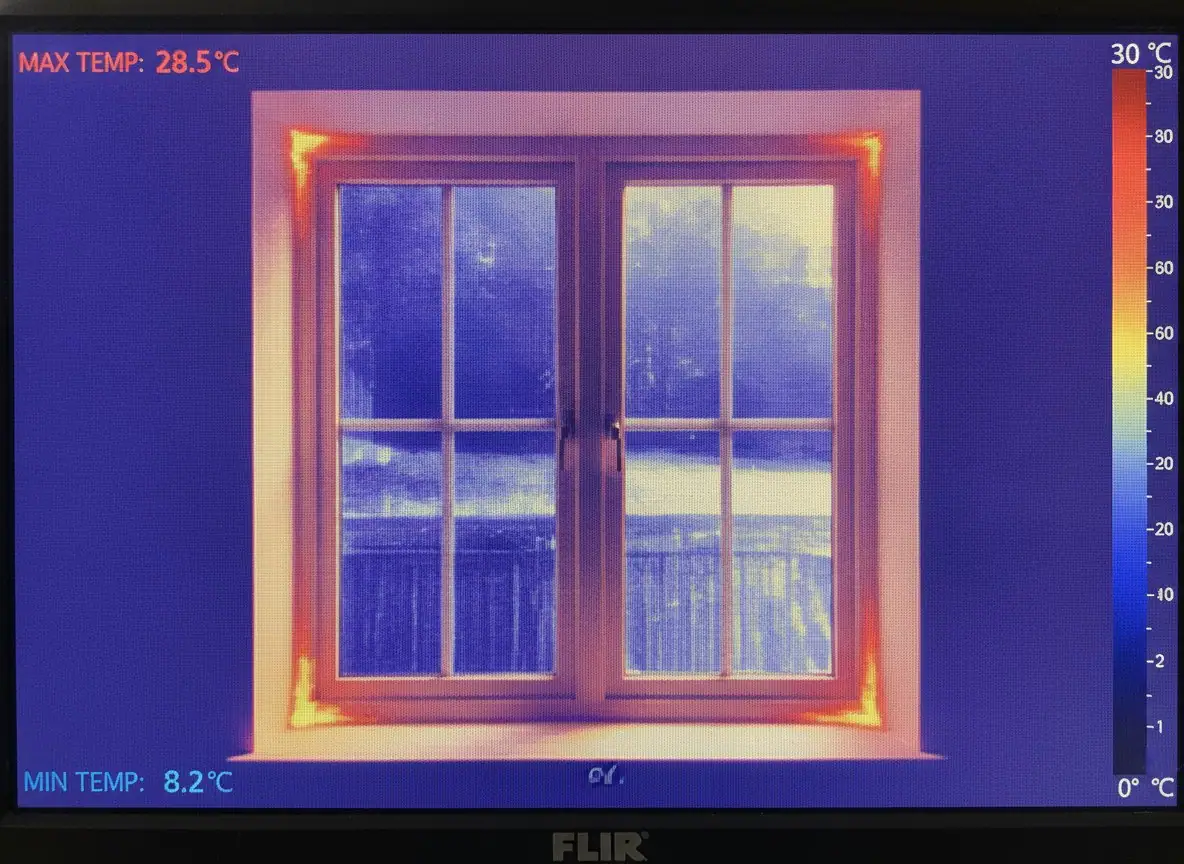
- Schedule a thermal scan every 3–5 years: Thermal imaging identifies moisture intrusion and insulation voids that aren’t visible to the naked eye — particularly important for Vernon’s aging building stock.
- Monitor interior humidity levels: During June Gloom months, maintain interior relative humidity below 60% using HVAC dehumidification to reduce condensation risk on roof decking.
- Keep records of insulation R-values: Document installed insulation types and R-values for Title 24 compliance verification during any future tenant improvement or re-roofing projects.
- Address roof leaks immediately: Any active water intrusion into insulated roof assemblies should be treated as an emergency. Wet insulation loses its R-value rapidly and creates conditions for mold growth.
Why Choose Clear Path Insulation for Roof Insulation in Vernon
Clear Path Insulation brings focused, hands-on expertise to Vernon’s specific insulation challenges. We understand the demands of the city’s industrial building stock — from aging metal-deck warehouses on Alameda Street to mid-century cold storage facilities near the Union Pacific rail corridor. Our team is trained in California Title 24 compliance requirements for Climate Zone 9, ensuring every project we complete meets or exceeds current energy codes.
We serve the full spectrum of Vernon’s property needs, from small owner-operated commercial spaces to large-format industrial facilities, with insulation solutions that are matched to each building’s construction type, occupancy, and operational requirements. Our service area extends throughout the surrounding communities — including Maywood, Commerce, Huntington Park, Boyle Heights, and East Los Angeles — giving us broad regional context that sharpens our understanding of how local conditions affect insulation performance.
Read moreShow less
We pride ourselves on transparent, itemized pricing and clear communication throughout every project. From your initial thermal assessment to post-installation follow-up, you’ll always know exactly what’s happening and why. Call (323) 416-2078 to speak with our team today.
FAQ
Frequently Asked Questions About Roof Insulation in Vernon, CA
How much does roof insulation cost in Vernon, CA?
Costs for roof insulation in Vernon typically range from $1.00 to $5.00 per square foot depending on the insulation type, existing roof conditions, and building size. Spray foam insulation for large flat-roof industrial buildings runs $2.00 to $5.00 per square foot installed, while blown-in insulation for accessible attic cavities may cost $1.00 to $2.50 per square foot. We provide free, detailed written estimates for all Vernon properties.
Does my Vernon commercial building need a permit for roof insulation?
Permit requirements depend on project scope and whether the work involves structural changes or is part of a re-roofing project. In the City of Vernon and surrounding Los Angeles County jurisdictions, large commercial insulation projects may require a building permit and Title 24 compliance documentation. Clear Path Insulation can guide you through the permitting process for your specific project.
What R-value do I need for a commercial roof in Vernon?
Vernon falls within California’s Climate Zone 9. Under California Title 24, commercial roofs in Climate Zone 9 must meet a minimum of R-19 for most building types, though current best practices and energy modeling typically recommend R-25 or higher to optimize return on investment given Vernon’s summer heat extremes.
How long does roof insulation installation take for a warehouse in Vernon?
Timeline depends on building size and insulation method. A 10,000-square-foot flat-roof warehouse typically takes two to three days from preparation through final inspection. Larger facilities of 50,000 square feet or more may require five to seven days. We schedule projects to minimize disruption to ongoing operations in Vernon’s active commercial and industrial facilities.
Can you insulate a roof without disrupting my warehouse operations in Vernon?
In most cases, yes. Spray foam and blown-in insulation can often be applied during off-hours, weekends, or in phased sections to keep operational areas functional. We coordinate schedules with Vernon facility managers to minimize downtime and ensure compliance with any active food safety or manufacturing protocols on site.
What is the best type of insulation for flat roofs common in Vernon?
Closed-cell spray polyurethane foam (SPF) is generally the best option for Vernon’s flat commercial and industrial roofs. It provides high R-value per inch (R-6 to R-7), creates a seamless air and vapor barrier, and adheres directly to metal or concrete roof decking. For buildings undergoing active re-roofing, polyisocyanurate rigid board installed above the deck is another effective choice.
Do you serve areas near Vernon, like Maywood and Commerce?
Yes. Clear Path Insulation serves Vernon and all surrounding communities including Maywood, Commerce, Huntington Park, Boyle Heights, East Los Angeles, Bell, South Gate, Lynwood, Montebello, and Downtown Los Angeles, among others. Our familiarity with the regional building stock across these neighborhoods ensures accurate assessments and appropriate insulation solutions.
What happens if my existing insulation has moisture damage?
Moisture-damaged insulation must be removed before new material is installed. Wet or moldy insulation loses its thermal resistance, promotes structural deterioration, and can harbor airborne contaminants that affect indoor air quality. Our process includes moisture testing during the initial assessment, and we provide complete insulation removal and surface preparation as part of replacement projects to ensure the new system performs correctly from day one.
Get a Free Roof Insulation Estimate in Vernon, CA
If your Vernon commercial or industrial property is experiencing high energy costs, uncomfortable interior temperatures, or moisture issues linked to your roof assembly, Clear Path Insulation is ready to help. Our team provides free on-site thermal assessments and detailed written estimates with no obligation.
Don’t let another brutal Southern California summer drain your operating budget through an under-insulated roof. Contact Clear Path Insulation today and take the first step toward a more energy-efficient, comfortable, and structurally sound building.
Call us now at (323) 416-2078 or reach out online to schedule your free roof insulation consultation in Vernon, CA. We’re ready to put our regional expertise to work for your property.
Get in touch
Find insulation help near you
Request a free estimate online or give us a call — our team will follow up quickly.
- Call us(323) 416-2078
- Visit5333 S Downey Rd, Vernon, CA 90058
- HoursMon-Sun 07:00-19:00