

Open Cell Spray Foam Insulation in Vernon, CA
Energy-Saving Open Cell Spray Foam Insulation for Vernon, CA Homes — Licensed & Insured
Need open cell spray foam insulation in Vernon, CA? Clear Path Insulation offers expert installation for homes & businesses. Call (323) 416-2078 for a free quote.
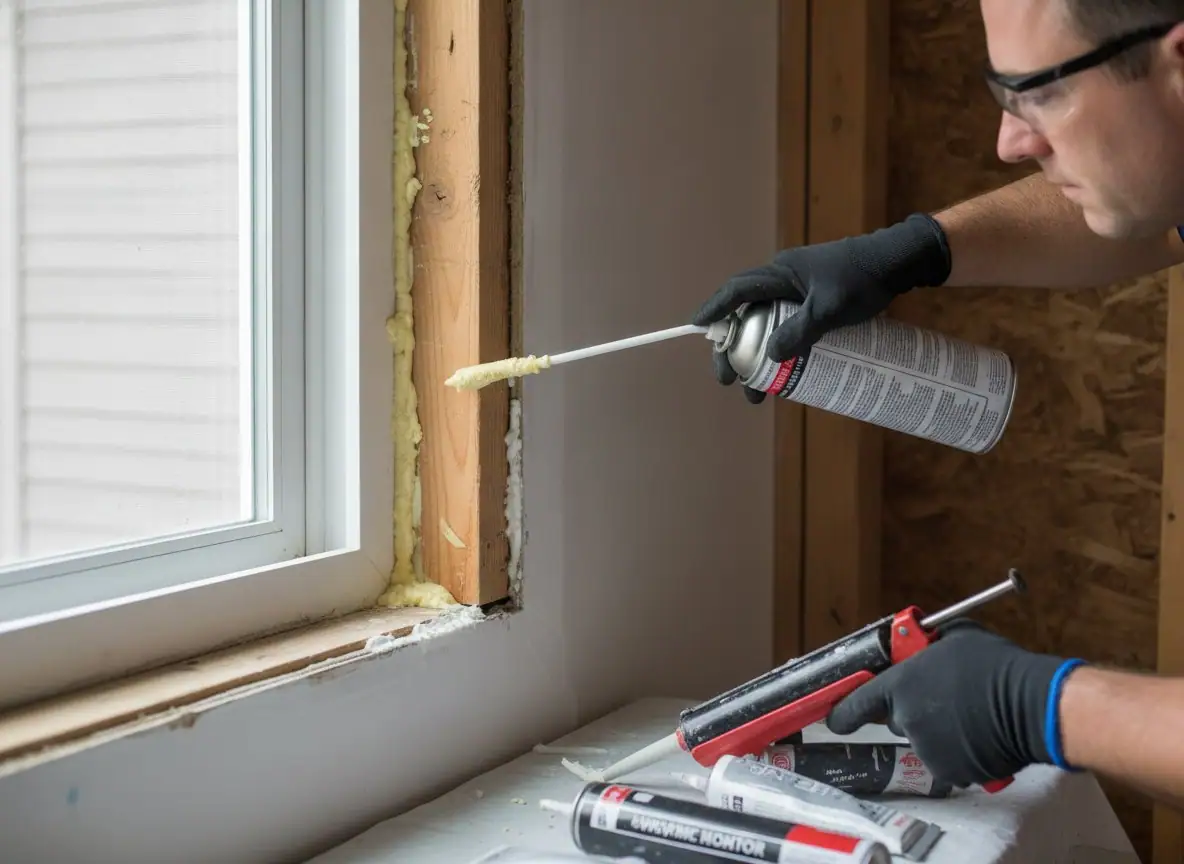
Open cell spray foam insulation is a cutting-edge, water-blown insulation product that expands upon application to fill cavities, gaps, and voids with a soft, sponge-like material. Unlike rigid board insulation or traditional fiberglass batts, open cell spray foam conforms to irregular surfaces and creates an air-sealing barrier that dramatically reduces energy loss through walls, ceilings, and floors.
In Vernon, CA — a densely industrialized city in Los Angeles County bordered by active freight corridors and subject to the region’s intense summer heat — proper insulation is not a luxury but a necessity. Vernon’s proximity to the Los Angeles River basin, its aging industrial building stock, and its position within the South Coast Air Basin all create unique insulation challenges that demand a high-performance solution.
Read moreShow less
At Clear Path Insulation, we specialize in open cell spray foam insulation tailored specifically to the structural realities and climate conditions found throughout Vernon and the surrounding communities. Call us today at (323) 416-2078 to schedule your free assessment.
Understanding Open Cell Spray Foam Insulation
Open cell spray foam insulation is a two-component polyurethane product that, when mixed and applied by a trained technician, expands rapidly — up to 100 times its liquid volume — to fill the space where it is sprayed. The “open cell” descriptor refers to the microscopic cellular structure of the cured foam: the cells are intentionally left open, giving the material a soft, flexible texture and a lower density than its closed cell counterpart.
Because air can move through the open cell matrix, this foam type achieves an R-value of approximately R-3.5 to R-3.8 per inch. While this is lower than closed cell foam’s R-6 to R-7 per inch, open cell foam is applied in much thicker layers — typically 3.5 to 5.5 inches in wall cavities and up to 10 inches in attic applications — making it highly effective for air sealing and thermal resistance when correctly installed.
Read moreShow less
Historically, spray foam technology was developed in the 1940s and 1950s for military and aerospace applications. By the 1970s energy crisis, it began appearing in residential and commercial construction across the United States as builders searched for more efficient alternatives to fiberglass batts. In Southern California, adoption accelerated during the 1990s as Title 24 energy compliance standards grew increasingly strict, pushing contractors and building owners toward higher-performance insulation systems.
In Vernon — a city whose building stock ranges from massive concrete tilt-up warehouses built in the 1940s and 1950s to smaller light-manufacturing facilities from the 1970s and 1980s — open cell spray foam has become a go-to solution for retrofitting poor-performing envelopes. The product is also widely used in the residential corridors immediately adjacent to Vernon’s industrial core, where older wood-framed homes suffer from decades of thermal and air infiltration issues.
Open cell foam is vapor-permeable, meaning it allows limited moisture diffusion without trapping water vapor inside wall assemblies — a critical characteristic in Southern California’s mixed climate zone (Climate Zone 9 under California’s Title 24 classification), where temperature swings between seasons demand a breathable but thermally robust insulation layer.
Why Open Cell Spray Foam Insulation Is Needed in Vernon, CA
Extreme Urban Heat Island Effect
Vernon is classified as one of the most intensely developed industrial cities in Los Angeles County, with impervious surface coverage exceeding 90% across most of its 5.2-square-mile footprint. This extreme paving density generates a pronounced urban heat island effect. According to data from the California Air Resources Board monitoring station on Bandini Boulevard, summer temperatures in Vernon and its immediate neighbors routinely reach 97°F to 103°F during peak heat events — often 8°F to 12°F warmer than cooler coastal neighborhoods like Santa Monica. The record heat dome event of September 2022, which pushed temperatures in the South Bay industrial corridor to over 108°F, caused measurable HVAC system failures in buildings lacking proper insulation. Open cell spray foam’s ability to dramatically reduce solar heat gain through roofs and walls — cutting thermal transfer by up to 40% compared to uninsulated surfaces — makes it indispensable in Vernon’s built environment.
Aging Building Stock with Severe Air Leakage
A significant portion of Vernon’s buildings were constructed between 1940 and 1975, before modern energy codes existed. Many of these structures feature single-pane steel sash windows, uninsulated tilt-up concrete walls, and attic spaces with only 2 to 3 inches of deteriorated fiberglass batts — or no insulation at all. Air leakage rates in these buildings commonly exceed 15 to 20 air changes per hour (ACH), compared to the California Title 24 target of approximately 5 ACH for newer construction. Open cell spray foam, applied to wall cavities and attic decking, reduces ACH dramatically by sealing the thousands of small gaps and penetrations that fiberglass batts cannot address.
Industrial Noise and Air Quality Concerns
Vernon is bordered by the Union Pacific Railroad Intermodal Facility to the south, the Alameda Corridor freight rail trench to the west, and heavy truck routes along Soto Street and Atlantic Boulevard. Noise levels in Vernon regularly exceed 70 decibels (dB) at property lines adjacent to these corridors. Open cell spray foam’s soft, absorptive cellular structure provides a Sound Transmission Class (STC) rating improvement of 10 to 15 points compared to uninsulated wall assemblies — a meaningful acoustic benefit for workers and residents near these freight routes. Additionally, by sealing building envelopes, open cell foam helps exclude particulate matter generated by nearby diesel truck and rail traffic, supporting indoor air quality goals aligned with the South Coast Air Quality Management District’s (SCAQMD) health protection guidelines.
Soil and Moisture Conditions
Vernon lies within the Los Angeles River alluvial plain, built on expansive clay soils classified as Montebello loam and San Gabriel clay loam by the USDA Natural Resources Conservation Service. These soils exhibit moderate to high shrink-swell potential, which can cause foundation movement that opens gaps at sill plates and penetrations — creating air infiltration pathways that standard insulation cannot seal. Open cell spray foam’s adhesive, gap-filling properties directly address these building envelope vulnerabilities created by soil movement over time.
Free, no-obligation estimates
Talk to Clear Path Insulation
Tell us what you need and we’ll take it from there.
Signs You Need Open Cell Spray Foam Insulation in Vernon
Energy and Comfort Symptoms
- Monthly electricity bills exceeding $350–$500 during July and August heat events despite average usage patterns
- Rooms or workspaces that remain 10°F or more warmer than thermostat settings on hot afternoons
- HVAC system running continuously for more than 15 minutes per cycle during peak summer heat
- Noticeable cold drafts along exterior walls during winter evenings when temperatures drop below 50°F
Structural and Visual Indicators
- Visible daylight or gaps at sill plates, rim joists, or wall penetrations in attic or crawl space
- Fiberglass batt insulation that has sagged, compressed to less than 2 inches, or shows moisture staining
- Frost or condensation forming on interior wall surfaces during winter mornings
- Dust accumulation patterns along baseboards or ceiling edges, indicating air movement through gaps
Urgent Warning Signs
- Mold or mildew odors emanating from wall cavities or attic spaces — a sign of moisture-laden air infiltration
- Pest entry through insulation gaps, particularly in crawl spaces or rim joist areas
- Insulation that is more than 20 years old with no documented replacement history
Our process
Our Open Cell Spray Foam Insulation Process in Vernon
- 01
Comprehensive Building Assessment (1–2 Hours)
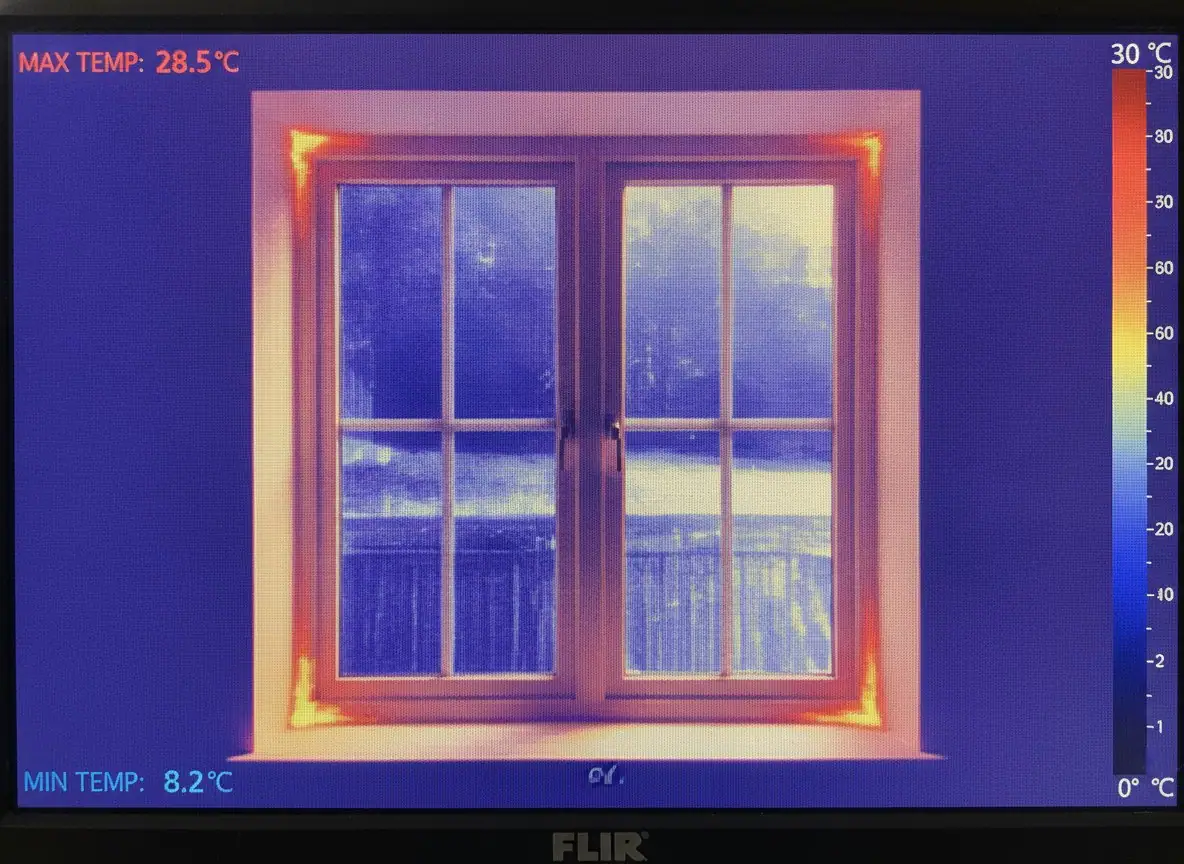
Our technicians begin with a thorough walkthrough of your Vernon property, documenting existing insulation conditions, identifying air leakage points with a thermal camera, and measuring key dimensions. We note building-specific factors such as tilt-up concret
- 02
Detailed Proposal and Material Planning (24–48 Hours)
We prepare a written proposal specifying exact foam thickness, coverage area in square feet, projected R-value, and estimated energy savings. All materials are selected to comply with California Title 24 and South Coast AQMD Rule 1168 VOC emission limits appli
- 03
Site Preparation (2–4 Hours on Installation Day)
Before spraying begins, our crew masks and protects all surfaces not receiving foam, including windows, HVAC equipment, electrical panels, and flooring. In Vernon’s industrial settings, we establish proper ventilation using positive-pressure air movers to mana
- 04
Spray Foam Application (4–8 Hours Depending on Scope)
Our trained applicators use professional spray rigs calibrated for Southern California’s ambient temperature and humidity conditions. In Vernon’s hot-climate environment (average summer relative humidity of 45–55%), our equipment settings are optimized to ensu
- 05
Trim and Quality Inspection (1–2 Hours)
After the foam cures — typically within 30 to 60 minutes for open cell — excess material is trimmed flush with framing members. Our lead technician performs a visual and thermal camera inspection to confirm uniform coverage and identify any missed voids.
- 06
Post-Installation Testing and Documentation
We provide a written installation certificate documenting foam type, thickness, R-value, and coverage area — documentation that supports Title 24 compliance reporting and future property transactions in California.
Open Cell Spray Foam Methods and Approaches
Attic Roof Deck (Unvented Attic) Application
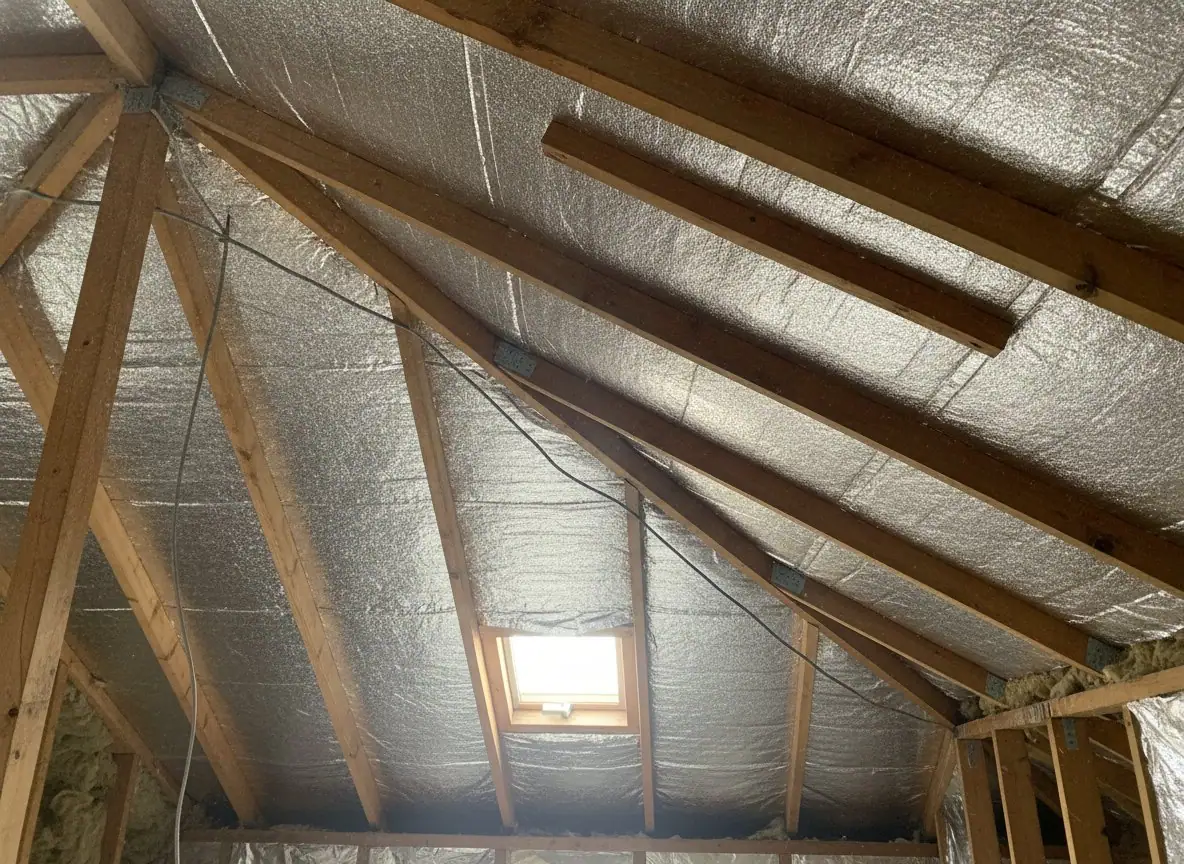
In Vernon’s older commercial and residential buildings, attic spaces are frequently unconditioned and poorly ventilated, trapping heat that radiates into occupied spaces below. Applying open cell foam directly to the underside of the roof deck at 5.5 to 10 inches creates an unvented conditioned attic that dramatically lowers ceiling temperatures. This approach is particularly effective in buildings along Leonis Boulevard and Santa Fe Avenue, where low-slope roofs absorb intense afternoon sun.
Wall Cavity Injection or Open-Wall Application
For new construction or renovation projects where wall framing is exposed, open cell foam is sprayed directly into 2×4 or 2×6 stud bays at 3.5 to 5.5 inches, achieving R-13 to R-20 and completely eliminating convective air loops within the cavity. This method is commonly applied in light-manufacturing facility renovations throughout Vernon’s industrial core.
Rim Joist and Sill Plate Sealing
One of the highest-return applications in Vernon’s older building stock is sealing the rim joist and sill plate assembly in crawl spaces and basement perimeters. A 3-inch application of open cell foam at these locations eliminates a major source of both air infiltration and pest entry — critical in areas near the Los Angeles River channel where moisture and pests are persistent concerns.
Combination Open Cell and Blown-In Insulation
For budget-conscious projects, we frequently combine a 2-inch open cell foam air-sealing layer with supplemental blown-in insulation to achieve total R-values of R-38 to R-49 in attic floors — meeting or exceeding California Title 24 requirements for Climate Zone 9 at a competitive installed cost.
Open Cell Spray Foam Insulation Cost in Vernon, CA
Understanding open cell spray foam insulation cost in Vernon helps property owners plan and budget accurately. Pricing in this market reflects local labor rates, California-specific material costs, and project complexity factors common to the area’s industrial and residential building types.
Typical Price Ranges
- Attic Roof Deck Application: $1.50–$2.25 per board foot (one square foot at one inch thick), with a typical 1,500-square-foot attic at 6 inches costing approximately $13,500–$20,250 installed
- Wall Cavity Application: $1.25–$2.00 per board foot; a 2,000-square-foot home with full exterior wall treatment typically runs $8,000–$15,000
- Rim Joist and Crawl Space Sealing: $1,500–$4,500 depending on linear footage and access conditions
- Light Commercial / Industrial Projects: $25,000–$75,000+ for large-footprint warehouse retrofits common in Vernon’s industrial district
Read moreShow less
Vernon-Specific Pricing Factors
Los Angeles County prevailing wage requirements apply to certain commercial projects, influencing labor costs. California’s stringent VOC regulations (SCAQMD Rule 1168) require the use of compliant, often higher-cost foam formulations. Additionally, many older Vernon buildings require preparatory insulation removal — see our insulation removal services — before new foam can be applied, adding $0.50–$1.50 per square foot to total project costs.
Call (323) 416-2078 for a precise quote based on your specific Vernon property.
Vernon and Surrounding Neighborhoods We Serve
Vernon (Industrial Core)
Vernon’s industrial buildings — many dating to the 1940s–1960s — present unique insulation challenges including tilt-up concrete wall construction, uninsulated metal roof decks, and large open floor plans. We specialize in high-volume commercial foam applications suited to these structures. Learn more about our Vernon services.
Huntington Park and Maywood
The dense residential neighborhoods of Huntington Park and Maywood feature predominantly wood-framed bungalows and craftsman homes built between 1920 and 1950. These structures suffer from decades of missing or degraded insulation in attics and walls, making open cell spray foam retrofit applications highly cost-effective for homeowners.
Commerce and Bell
Commerce and Bell share Vernon’s industrial character, with mixed light-industrial and residential zoning. Buildings in these communities often combine commercial-scale heating loads with residential occupancy patterns, requiring insulation strategies that address both comfort and energy compliance goals.
East Los Angeles and Boyle Heights
These historic neighborhoods feature older multi-family residential buildings where poor insulation contributes to both energy poverty and indoor air quality issues. Our attic insulation and open cell spray foam services help address these challenges affordably. We also serve Downtown Los Angeles, Pico-Union, Westlake, South Gate, Lynwood, Montebello, Florence-Graham, and Cudahy.
Maintenance Tips for Open Cell Spray Foam Insulation in Vernon
- Annual Visual Inspection: Each spring, inspect accessible foam surfaces in attics and crawl spaces for shrinkage, discoloration, or physical damage — conditions that can occur after seismic events common to the Los Angeles basin.
- Monitor for Moisture Intrusion: In Vernon’s occasionally wet winters (average annual rainfall of 14–16 inches), check for roof leaks above foam-insulated attic decks immediately after significant rain events. Open cell foam can absorb water if exposed to sustained leaks.
- Seal New Penetrations Promptly: Any new HVAC, electrical, or plumbing penetrations through foam-insulated assemblies should be resealed with compatible foam or caulk within 30 days of installation to maintain air barrier continuity.
- Protect Foam from UV Exposure: Open cell foam degrades when exposed to ultraviolet light. Ensure all foam surfaces in unconditioned spaces are covered with an approved thermal barrier (typically 1/2-inch drywall) per California Building Code requirements.
- Check HVAC Filter Frequency: Properly air-sealed buildings accumulate less dust on filter media; however, Vernon’s proximity to industrial dust sources means filters should still be inspected monthly and replaced every 60–90 days.
- Schedule Professional Re-inspection Every 5 Years: Have a qualified insulation contractor assess foam condition and thermal performance every five years, particularly in buildings near the Los Angeles River basin where foundation movement may open new infiltration pathways.
Why Choose Clear Path Insulation for Open Cell Spray Foam in Vernon
Clear Path Insulation brings deep, location-specific expertise to every open cell spray foam project in Vernon and the surrounding Los Angeles County communities. Our technicians are trained and experienced in the unique building types, climate conditions, and regulatory environment that define this market — from the tilt-up concrete warehouses of Vernon’s industrial core to the aging wood-frame bungalows of Huntington Park and Maywood.
We understand how California Title 24 compliance requirements, SCAQMD air quality rules, and Los Angeles County building permit processes affect insulation projects, and we guide our clients through each step without confusion or delay.
Our team uses professional-grade spray equipment calibrated for Southern California’s ambient conditions, and we select foam formulations that meet California’s strict environmental standards. Every project is completed with thorough documentation supporting energy code compliance and future property transactions.
Read moreShow less
For open cell spray foam insulation near me in the Vernon area, Clear Path Insulation is the trusted local choice. Contact us at (323) 416-2078 to schedule your free, no-obligation property assessment today.
We also offer crawl space encapsulation, crawl space insulation, insulation replacement, and spray foam insulation services throughout the region.
FAQ
Frequently Asked Questions: Open Cell Spray Foam Insulation in Vernon, CA
How much does open cell spray foam insulation cost in Vernon, CA?
Open cell spray foam insulation in Vernon typically costs between $1.25 and $2.25 per board foot installed, depending on application type, project size, and site conditions. A residential attic application for a 1,200–1,500-square-foot home generally runs $10,000–$18,000. Commercial and industrial projects in Vernon’s warehouse district vary widely based on building footprint and access conditions. Call (323) 416-2078 for a free, specific quote.
How long does the installation process take?
Most residential open cell spray foam projects in Vernon are completed in one to two days. Large commercial installations in Vernon’s industrial facilities may take three to five days. The foam itself cures within 30 to 60 minutes of application, but we recommend allowing 24 hours before reoccupying enclosed spaces to allow residual off-gassing to fully dissipate — an important precaution in tightly sealed buildings.
Is open cell or closed cell foam better for Vernon’s climate?
Both have their place in Vernon’s Climate Zone 9 environment. Open cell foam is generally preferred for interior wall cavities and attic roof deck applications where vapor permeability, sound absorption, and cost-effectiveness are priorities. Closed cell foam is better suited for exterior applications, below-grade walls, or situations requiring maximum R-value per inch. Our technicians will recommend the right product for your specific building after assessment.
Will open cell spray foam help with noise from Vernon’s freight corridors?
Yes. Open cell spray foam’s soft, absorptive structure improves wall Sound Transmission Class (STC) ratings by 10 to 15 points compared to uninsulated assemblies. For buildings near Vernon’s Union Pacific rail lines, the Alameda Corridor, or heavy truck routes on Soto Street and Atlantic Boulevard, this acoustic benefit is significant and frequently reported by building occupants after installation.
Does open cell spray foam require a building permit in Vernon or Los Angeles County?
Insulation installation in existing buildings generally does not require a separate permit in Los Angeles County for like-for-like replacement. However, if spray foam is installed as part of a larger renovation, HVAC upgrade, or new construction project, the insulation must be documented for Title 24 compliance verification. We provide all necessary documentation to support permit applications when required.
How does open cell foam perform in Vernon’s occasional winter rain conditions?
Open cell foam is vapor-permeable and will absorb water if directly exposed to sustained moisture from roof leaks or plumbing failures. It is not recommended for below-grade or continuously wet environments. However, when properly installed and protected from direct water exposure, open cell foam performs reliably throughout Vernon’s climate cycle, including the 14–16 inches of annual rainfall the region receives primarily between November and March.
Can open cell spray foam be installed over existing insulation?
In some cases, yes — particularly when adding foam to an attic roof deck over existing attic floor insulation. However, when replacing degraded fiberglass batts in wall cavities or attics, we typically recommend professional insulation removal first to ensure the new foam adheres properly and achieves full coverage without voids. Our team will assess your existing conditions and recommend the most effective approach.
How soon will I see energy savings after installation in Vernon?
Most Vernon property owners report noticeable reductions in HVAC runtime within the first billing cycle following installation. Measured energy savings for California Climate Zone 9 properties with comprehensive open cell foam retrofits typically range from 20% to 35% on annual heating and cooling costs, with the greatest reductions occurring during July and August peak heat events when Vernon’s urban heat island effect is most intense.
Get Your Free Open Cell Spray Foam Estimate in Vernon Today
Don’t let another brutal Vernon summer or energy-draining winter season pass without addressing your building’s insulation performance. Clear Path Insulation is ready to help you take control of your energy costs, indoor comfort, and air quality with professionally installed open cell spray foam insulation tailored to Vernon’s unique climate and building conditions.
Whether you manage a light-industrial facility in Vernon’s industrial corridor, own a rental property in Huntington Park, or are upgrading a home in Boyle Heights, our team delivers reliable results backed by hands-on local expertise.
Call us now at (323) 416-2078 to schedule your free, no-obligation property assessment. We serve Vernon, Huntington Park, Maywood, Commerce, Bell, East Los Angeles, Boyle Heights, South Gate, Lynwood, and all surrounding communities.
Get in touch
Find insulation help near you
Request a free estimate online or give us a call — our team will follow up quickly.
- Call us(323) 416-2078
- Visit5333 S Downey Rd, Vernon, CA 90058
- HoursMon-Sun 07:00-19:00